

April 27, 2026
•
5 min read
Hurricane Season Prep for Expats in Mexico (2026): A Complete Guide
Hurricane season prep guide for expats in Mexico. 2026 forecasts, alert system, kit checklist, insurance, and region-by-region tips for both coasts.
Justin Barsketis
Insurance Expert
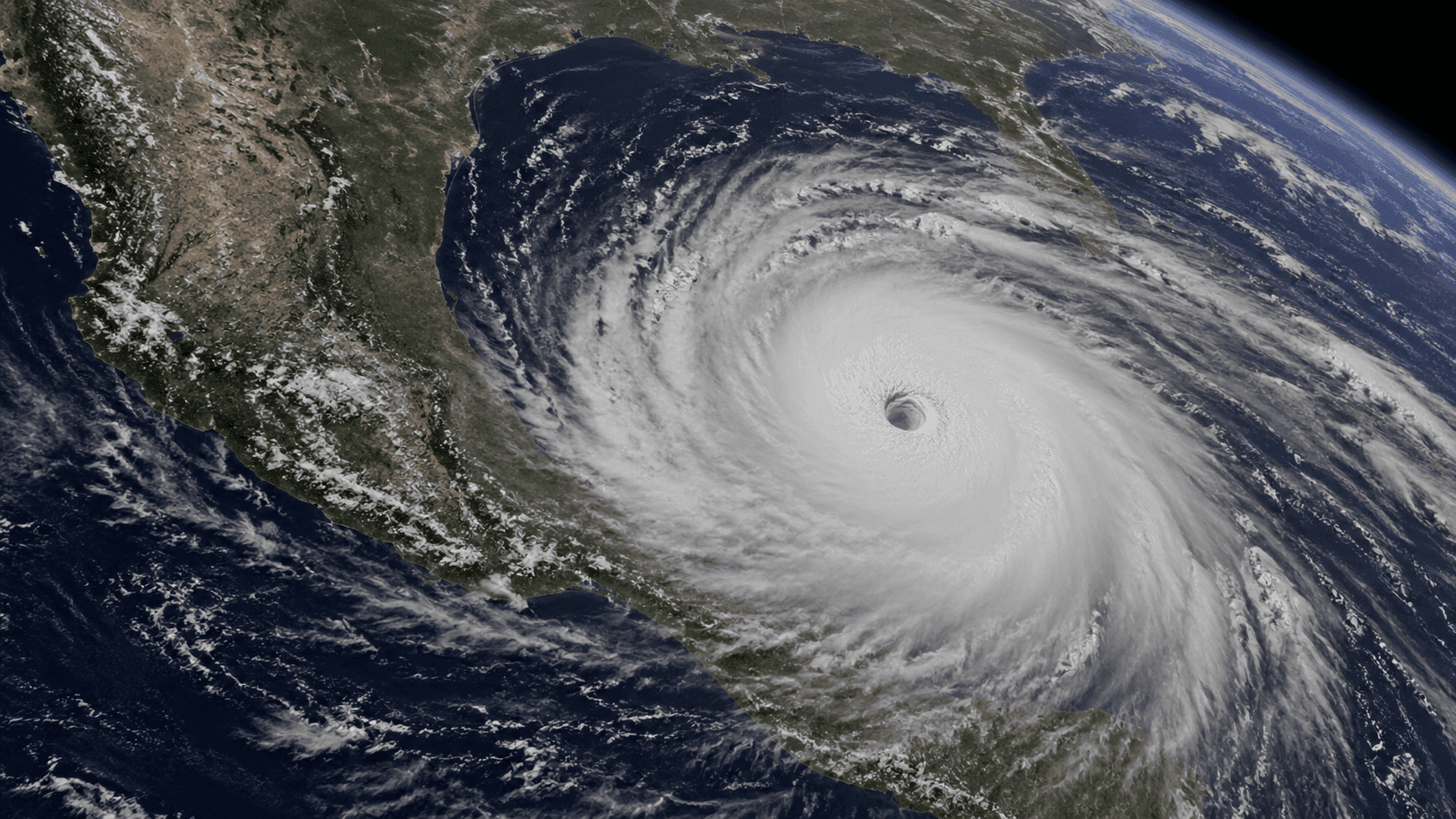
If you live on either Mexican coast, hurricane season isn't a question of "if" but "when, and how bad." Whether you're a first-time expat in Playa del Carmen, a snowbird in Puerto Vallarta, or a long-timer in Cabo, getting your house, your documents, and your nerves in order before June 1st is part of the deal.
This guide walks you through what the 2026 forecasts are saying, how Mexico's alert system actually works, and the practical prep steps that keep expat households ready when the wind picks up. We'll also cover what your insurance does (and doesn't) do, and where to look for trustworthy local information once a storm is on the radar.
When Is Hurricane Season in Mexico?
Mexico is one of the few countries that gets hit from both sides, which means we have two overlapping seasons to watch.
- Atlantic Basin (Gulf of Mexico, Caribbean, Yucatán Peninsula): June 1 to November 30
- Eastern Pacific (Baja Sur, Jalisco, Nayarit, Guerrero, Oaxaca): May 15 to November 30
Peak activity for both basins generally runs from late August through early October, though storms can form earlier and linger later. If you're planning travel or scheduling repairs, that mid-August to mid-October window is when you want to be the most prepared.
What the 2026 Forecasts Are Telling Us
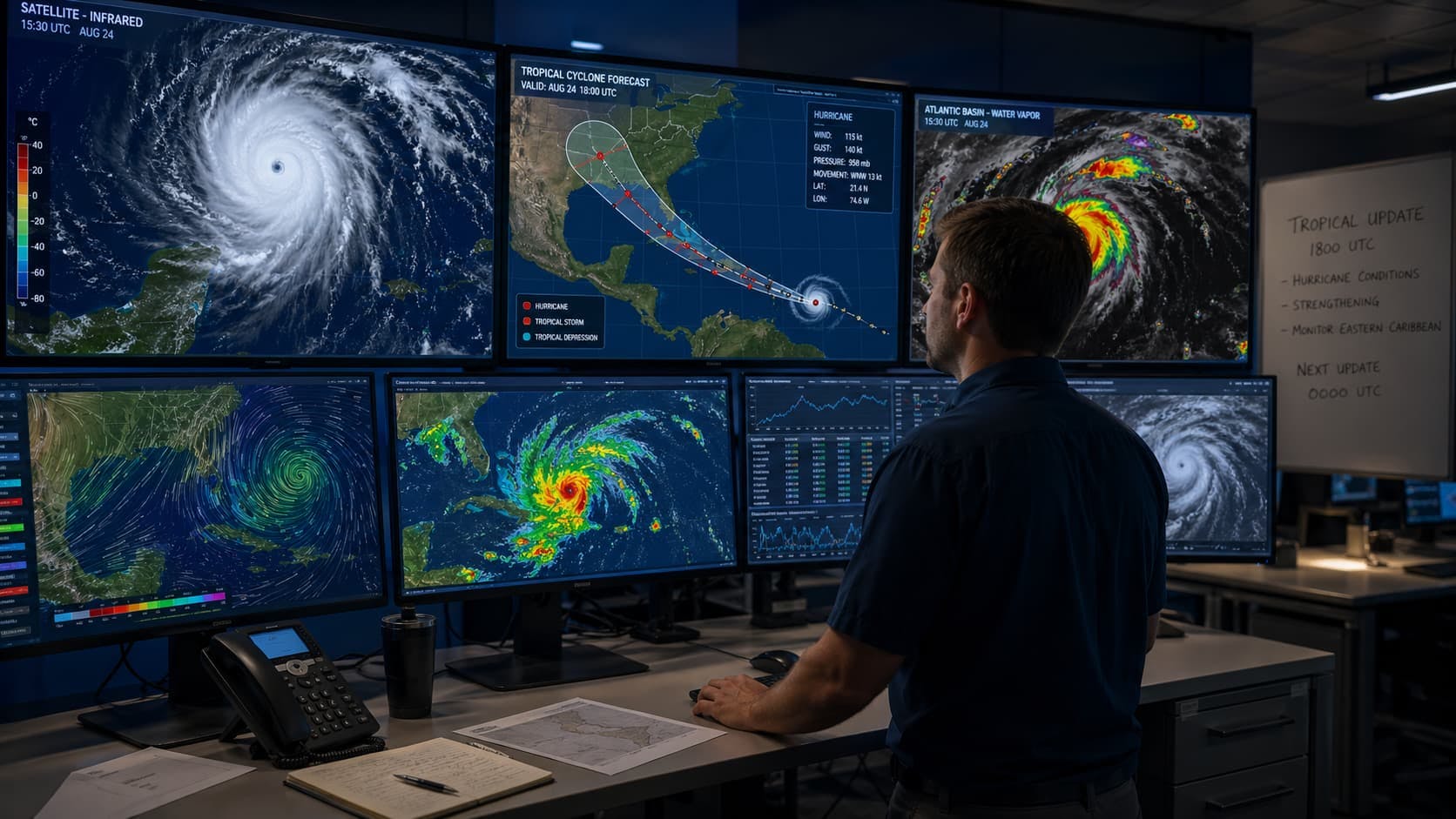
Here's where 2026 gets interesting—and a little tricky for anyone with property on both coasts. The two basins are heading in opposite directions this year.
Atlantic: Slightly Below Average
Most major forecasters expect a slightly quieter Atlantic season than usual, largely because of a developing El Niño that tends to increase wind shear and tear apart developing storms. Colorado State University's April 2026 outlook calls for 13 named storms, six hurricanes, and two major hurricanes, with hurricane activity at roughly 75% of the long-term average. AccuWeather is in a similar range—11 to 16 named storms, four to seven hurricanes, and two to four major hurricanes. Mexico's own Servicio Meteorológico Nacional (SMN) forecasts 11 to 15 named storms in the Atlantic basin.
But here's the catch every forecaster keeps repeating: a "below-average" season can still produce a single catastrophic storm. CSU notes a 35% chance of a major hurricane making landfall somewhere in the Caribbean this year. As one of the CSU forecasters put it bluntly, it only takes one storm near you to make it an active season for you.
Pacific: Notably More Active
The Pacific is the opposite story. That same El Niño that suppresses Atlantic activity often supercharges the Eastern Pacific. Mexico's SMN is forecasting 18 to 21 named storms, 9 to 11 hurricanes, and 4 to 5 major hurricanes for the Eastern Pacific in 2026. That's well above average and a significant jump from what the Atlantic is expected to produce.
Translation: if you live in Puerto Vallarta, Manzanillo, Acapulco, Cabo, or anywhere along Mexico's western seaboard, this is a season to take seriously. Hurricane Otis in 2023 was a brutal reminder of how quickly a Pacific storm can intensify—it went from tropical storm to Category 5 in under 24 hours and devastated Acapulco.
Understanding Mexico's Hurricane Alert System (SIAT-CT)
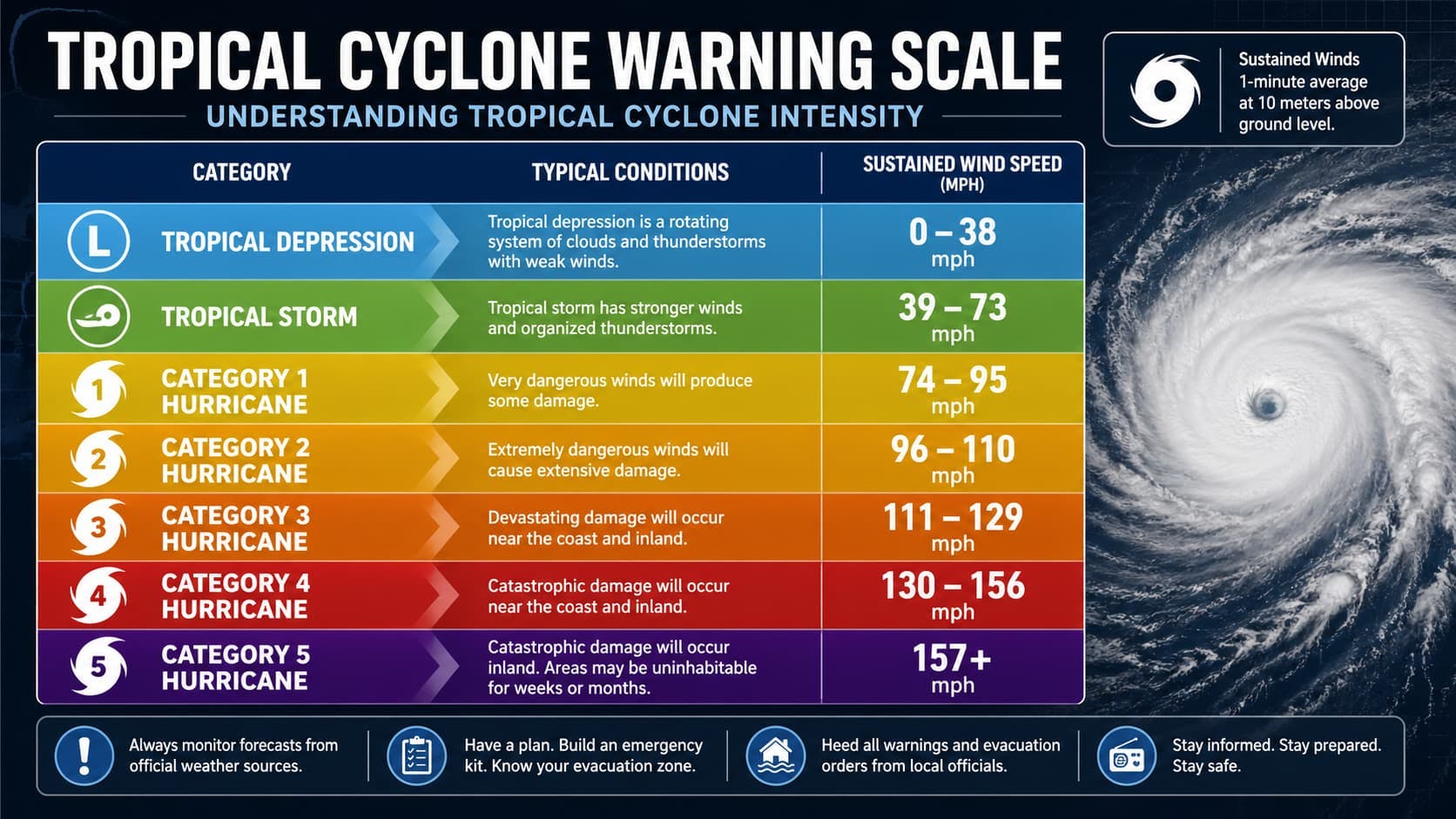
Mexico uses a five-color alert system called SIAT-CT (Sistema de Alerta Temprana para Ciclones Tropicales). Once you know the colors, you can read any local Civil Protection (Protección Civil) bulletin at a glance.
- Alerta Azul (Blue) — Minimum: A cyclone has been detected. Possible winds over 39 mph within 72 hours. Stay informed; updates every 24 hours.
- Alerta Verde (Green) — Low: Storm could affect the area in 24–72 hours. Start checking your supplies. Updates every 12 hours.
- Alerta Amarilla (Yellow) — Moderate: Begin preparations. Secure outdoor items, fill up the car, get cash. Updates every 6 hours.
- Alerta Naranja (Orange) — High: Serious preparations now. Storm impact is likely within 24 hours. Get to a safe location, finalize supplies, charge everything. Updates every 6 hours.
- Alerta Roja (Red) — Maximum: Impact is occurring or imminent within 18 hours. Shelter in place, stay away from windows, do not go outside. Updates every 3 hours.
Note that the system has two phases: an "approach" phase (cyclone is getting closer) and a "departure" phase (cyclone is passing or has passed). The colors mean slightly different things in each phase, but the general rule is the same: the warmer the color, the more urgent the situation.
Where to Get Reliable Storm Information
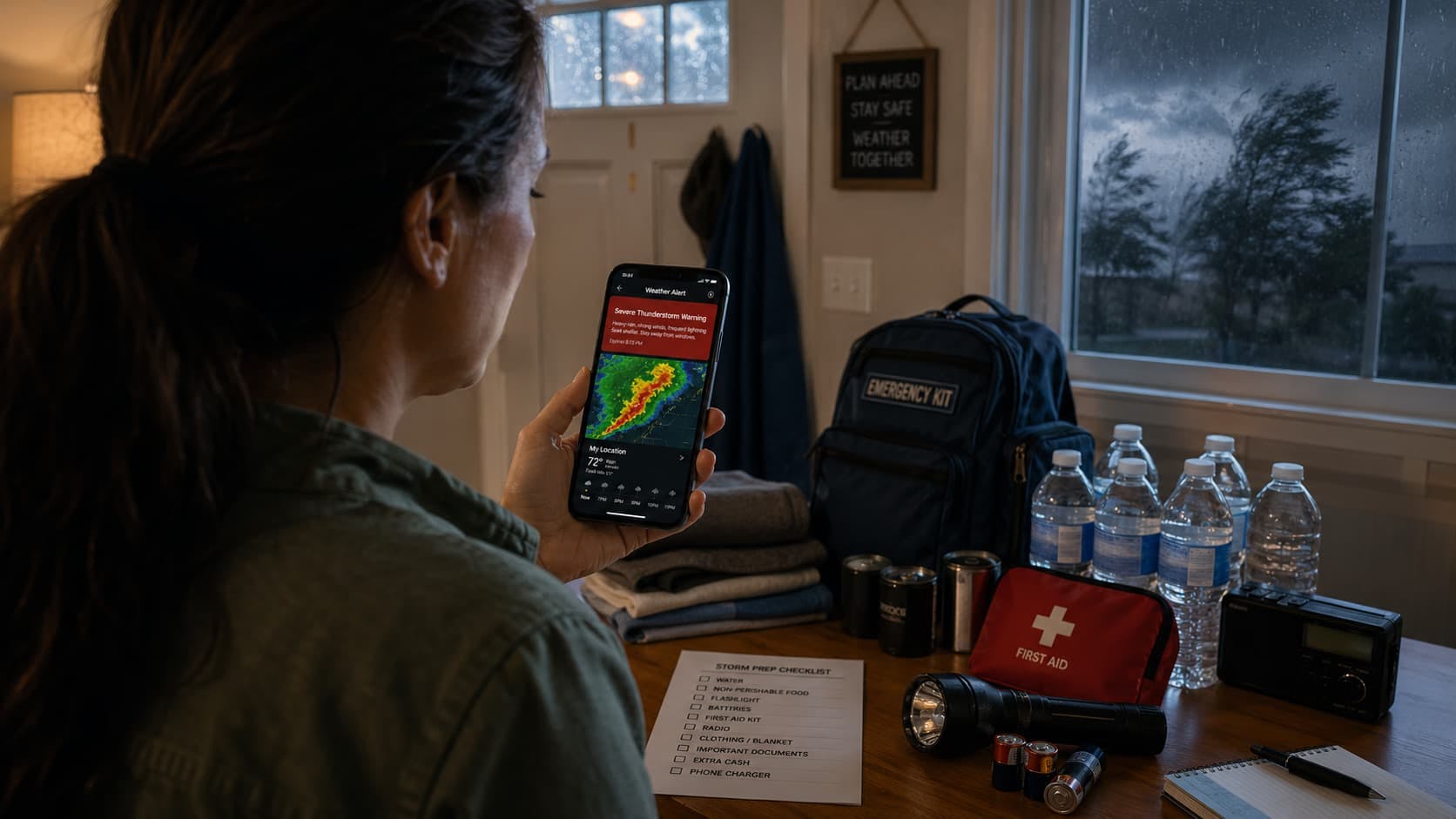
When a storm starts forming, social media gets noisy fast. Stick to verified sources.
- NOAA National Hurricane Center (nhc.noaa.gov) – The gold standard for tracking, forecast cones, and advisories. In 2026 they're rolling out an improved cone graphic that includes inland watches and warnings for the first time.
- Servicio Meteorológico Nacional (SMN) (smn.conagua.gob.mx) – Mexico's official meteorological service, with bulletins in Spanish.
- Your state's Protección Civil – Each state has its own Coordinación Estatal de Protección Civil (CEPC) account on Facebook and X. These post evacuation orders, shelter locations, and road closures specific to your municipio.
- Local English-language Facebook groups – Most expat hubs (Puerto Vallarta, Playa del Carmen, San Miguel, Cabo, Mérida) have community groups where US/Canadian Consular Liaison Volunteers post updates. These are often faster and more locally accurate than national news.
- U.S. Embassy & Consulate alerts – If you're a U.S. citizen, enroll in the Smart Traveler Enrollment Program (STEP) to get text/email alerts for your specific area.
Building Your Hurricane Kit
The standard advice is to prepare for at least 72 hours without power, water, or store access. In rural or coastal expat communities, plan for closer to a week. After Hurricane Otis hit Acapulco, parts of the city were without reliable power and water for far longer than 72 hours.
Water and Food
- At least 1 gallon of water per person per day for drinking and basic hygiene (3+ days minimum, ideally a week)
- Non-perishable food that doesn't require cooking: canned goods, tuna, peanut butter, crackers, dried fruit, energy bars
- Manual can opener (the electric one is useless without power)
- Pet food and water for at least 5 days
- Coolers and ice if you have time before the storm—frozen water bottles double as ice and drinking water
Power and Light
- Flashlights and headlamps with extra batteries (one per family member)
- Power banks for phones, fully charged before any storm gets close
- Battery-powered or hand-crank radio for when cell towers go down
- Generator if you can afford one—but never run it indoors or in a closed garage
- Candles and waterproof matches/lighters as a backup
First Aid and Medications
- Standard first-aid kit with bandages, antiseptic, pain relievers, anti-diarrheal medication
- At least a 14-day supply of any prescription medications—pharmacies may close or run out
- Insect repellent—standing water after a storm means mosquitoes
- Sunscreen—you may end up outside doing cleanup in intense sun
Documents and Cash
- Cash in pesos—ATMs won't work without power, and even when power returns, networks can be down for days
- Passports, residency cards (Temporal/Permanente), driver's licenses in waterproof bags
- Insurance policies, property deeds, fideicomiso paperwork—digital copies in cloud storage and physical copies in a sealed bag
- List of emergency contacts including consulate, insurance broker, and local doctor
For more on what your embassy can and cannot do during an emergency, click here.
Preparing Your Home
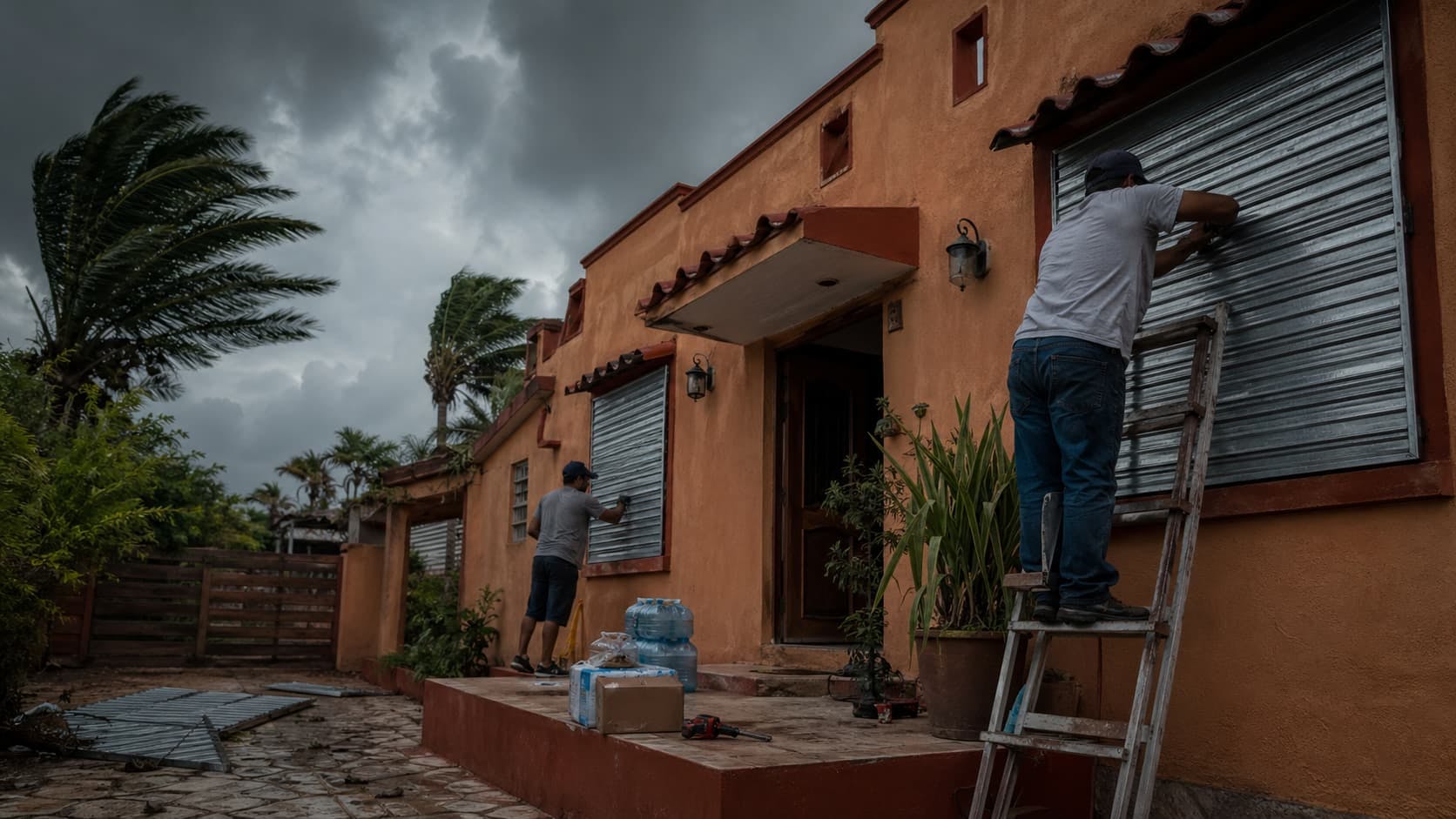
If you own property in coastal Mexico, this is where the real work happens—and where most of your money and stress lives.
Before the Season Starts (May)
- Inspect the roof. Replace any loose tiles, secure flashing, clear out drains. Most hurricane damage to Mexican homes starts at the roof.
- Trim trees away from the house, especially tall palms and any branches hanging over the roof or power lines.
- Clean gutters and storm drains. Many coastal floods are made worse by clogged municipal drainage—do your part by clearing debris from the street drain near your house.
- Test your generator if you have one. Run it for 20 minutes, check the oil, stock up on fuel.
- Photograph and video the entire property—every room, every wall, every appliance. Time-stamped photos are your best friend if you ever file an insurance claim.
When a Storm Is 3–5 Days Out (Yellow Alert)
- Fill all vehicles with gasoline and any spare fuel cans. Gas stations run on electric pumps and lines get long fast.
- Check propane levels on your stationary tank. You want it as full as possible.
- Withdraw cash in pesos and small bills.
- Top off prescriptions and groceries.
- Charge everything—phones, power banks, laptops, electric tools.
When a Storm Is 24–48 Hours Out (Orange Alert)
- Install hurricane shutters or board up windows with plywood. If you don't have shutters, masking tape on windows does almost nothing—plywood is the only real solution.
- Bring everything inside that could become a projectile: patio furniture, planters, BBQs, kids' toys, tools, garden hoses.
- Fill bathtubs and large containers with water for flushing toilets and washing if water service goes down.
- Move valuables and electronics to upper floors or interior rooms away from windows.
- Identify your safest interior room—usually a bathroom or closet with no windows, on the lowest floor that won't flood.
What About Insurance?

Here's the part most expats don't think about until it's too late: standard Mexican homeowners insurance does not always include hurricane coverage by default. Some policies cover wind damage but exclude flood; others bundle hurricane as an optional rider you have to specifically request.
If you own property anywhere on either coast, take a few minutes right now—before the season starts—to call your broker and ask:
- Does my policy cover hurricane wind damage?
- Does it cover flood and storm surge?
- Is there a separate hurricane deductible (these can be 2–5% of the insured value)?
- Are contents covered, or just structure?
- Does it cover temporary housing if my home becomes uninhabitable?
Renters often skip insurance entirely, which is a mistake in coastal Mexico. A renter's policy is cheap and covers your stuff if a storm blows out the windows.
If you're not sure where your coverage stands, get a free quote or schedule a phone consultation and we'll walk you through what your current policy actually does.
Special Considerations for Different Regions
Yucatán Peninsula (Cancún, Playa, Tulum, Mérida)
The Yucatán is hit more frequently than almost any other part of Mexico—Hurricane Wilma in 2005 sat over Cancún for nearly three days and remains one of the most destructive storms ever recorded in the area. Most newer construction in Cancún and Playa is built to a higher hurricane standard, but older homes, palapas, and beach properties are far more exposed. Mérida is inland and gets less wind impact, but flooding can be significant.
Pacific Coast (Cabo, Vallarta, Manzanillo, Acapulco)
Pacific storms tend to intensify faster than Atlantic ones, which means less warning time. Cabo's been hit hard multiple times—Hurricane Odile in 2014 and Hurricane Norma in 2023 are recent examples. For more on the region's history, see our article on hurricane history in Cabo San Lucas. If you live in Puerto Vallarta, our seasonal weather guide breaks down what the locals actually expect each month.
Gulf Coast (Veracruz, Tampico, Tabasco)
Less famous than the Caribbean but historically very active. Heavy rainfall and inland flooding are usually the biggest threats here, and roads can be cut off for days.
Inland (Mexico City, Guadalajara, San Miguel)
You're not getting a direct hurricane hit, but the remnants of Pacific or Atlantic storms regularly produce torrential rain in central Mexico. Flooding, landslides, and travel disruption are the main concerns. If you have plans to travel to or from a coastal area during peak season, build buffer days into your itinerary.
After the Storm: First 48 Hours
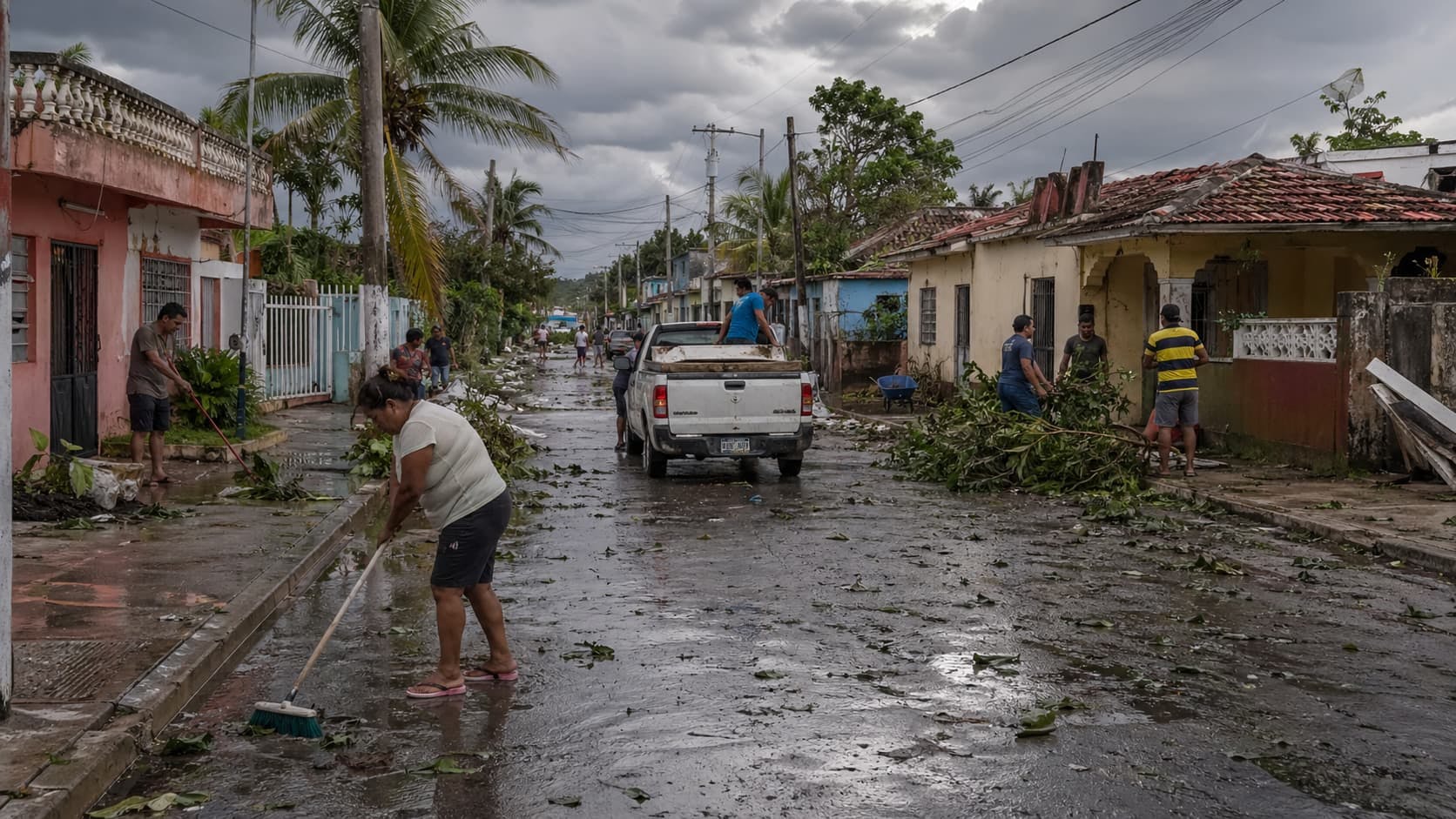
The storm's passing isn't the all-clear. More injuries happen during cleanup than during the storm itself.
- Stay inside until officials lift the warning. The eye of a hurricane can fool you into thinking it's over.
- Avoid downed power lines and standing water—lines can be live, and water can be electrified or contaminated.
- Don't run a generator indoors or in a closed garage. Carbon monoxide poisoning is one of the leading causes of post-hurricane deaths.
- Document all damage with time-stamped photos and video before you start cleanup. Your insurance adjuster will need this.
- Save receipts for any repairs, hotel stays, or replacement supplies—many policies reimburse these.
- Contact your insurance broker as soon as possible. Claim queues fill up fast after a major storm.
- Check on neighbors, especially elderly residents and anyone living alone.
Pets, Vehicles, and Other Loose Ends
Don't forget about the rest of your household. Pet carriers should be ready and accessible, with food and medications packed. If you might evacuate, know which shelters accept pets in advance—many don't. For your vehicle, keep it parked in the most protected spot you can find, away from trees and power lines, and don't drive through flooded streets (more cars are lost to flood damage than to wind).
If you become stranded after a storm because of a car issue, Ángeles Verdes (Green Angels) can help. Dial 078 from any Mexican phone.
Frequently Asked Questions
Do I need to evacuate every time there's a hurricane warning?
Not always. Most expats in solid concrete construction can shelter in place for Category 1–2 storms. For Category 3 and above, or if local authorities issue a mandatory evacuation, leave. Don't gamble on a major hurricane.
Will my U.S. or Canadian insurance cover damage to my Mexican property?
Almost never. You need a Mexican homeowner's policy, ideally one that explicitly includes hurricane coverage. International policies have very limited geographic scope.
What happens if I'm traveling and a hurricane hits my area?
Airlines typically waive change fees for affected destinations. Monitor airline apps directly rather than relying on travel agents. If your home was hit while you were away, contact your insurance company before you return so they can document conditions.
Are Mexican hurricane shutters worth the cost?
Yes, especially for coastal properties. Permanent rolling shutters cost more upfront but pay for themselves in one storm. Even basic accordion shutters or pre-cut plywood panels are far better than nothing.
Can my pets stay in shelters with me?
Most public shelters in Mexico do not accept pets. Identify pet-friendly hotels, friends' homes inland, or pet boarding facilities ahead of time. Have carriers, food, and medical records ready.
What if I'm renting—am I responsible for hurricane prep?
Read your rental contract. Most landlords expect you to handle day-of preparations (bringing in furniture, securing windows if shutters exist), while structural issues are theirs. Don't assume—ask in writing before the season starts.
Final Thoughts
Hurricane season in Mexico is serious, but it's also predictable. We know roughly when storms will form, we have days of warning before they hit, and we have alert systems and infrastructure designed specifically for this. The expats who get caught off guard are usually the ones who treat each season as an abstract worry rather than a recurring event to plan for.
Your action items for 2026:
- Review your insurance and confirm hurricane coverage before June 1
- Build your emergency kit now, while supplies are easy to find
- Photograph and document your property for any future claims
- Bookmark the official sources—NHC, SMN, and your local Protección Civil
- Identify your safe room and evacuation route before you need them
Want to make sure your property and your family are covered? Get a free insurance quote or schedule a 15-minute consultation—we'll walk you through what your policy actually covers and where the gaps are.
For more on living safely in Mexico, you might also want to read Is Mexico Safe? and our guide to emergency numbers in Mexico.
Stay safe out there this season.
Justin Barsketis
Insurance Expert & Writer
Justin is an insurance guru that loves digital marketing. As our founder Justin manages our business development programs and MGA network. Please don’t hesitate to contact him if you are not getting the attention you deserve.
