

March 15, 2026
•
5 min read
The 10 Best Places to Live in Mexico for Expats in 2026
Explore the 10 best places to live in Mexico for expats in 2026, with honest details on cost of living, healthcare, safety, and neighborhoods.
Justin Barsketis
Insurance Expert
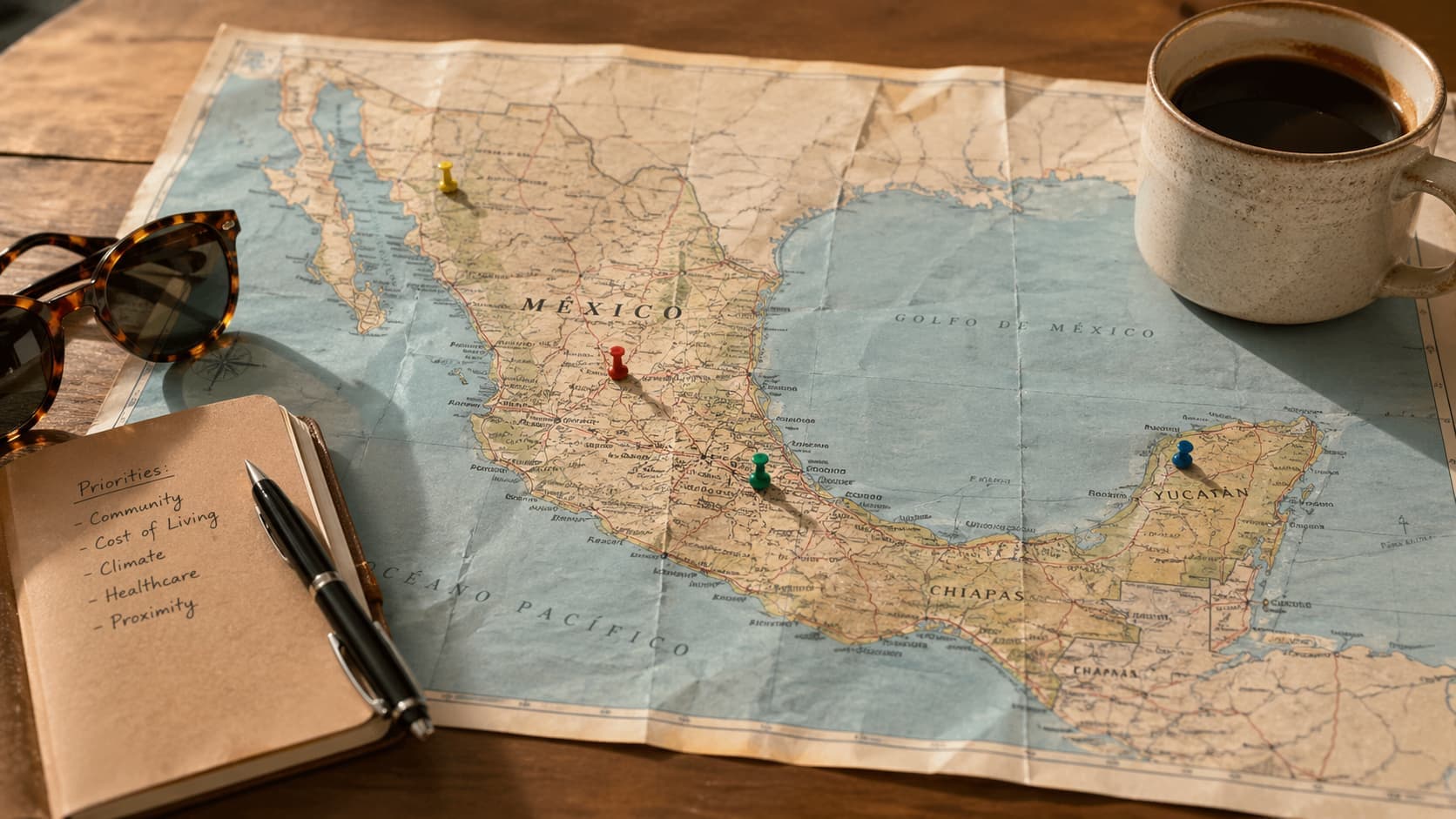
Welcome to your guide on the best places to live in Mexico. This isn't a glossy travel list. It's a practical, honest breakdown for anyone seriously thinking about making the move, whether you're a remote worker, a retiree, or a family looking for a new chapter.
We go beyond the postcard images to give you a clear, realistic picture of what daily life actually looks like in ten of Mexico's most popular expat destinations. For each city, you'll find details on:
- Cost of Living: Realistic monthly budgets for different lifestyles.
- Healthcare: Profiles of reputable hospitals and local healthcare access.
- Safety & Neighborhoods: Area-specific insights to help you find a secure and comfortable home.
- Connectivity: Information on internet speeds and infrastructure for remote work.
- Visas & Insurance: Practical tips for navigating residency and securing proper coverage.
Each profile is structured so you can compare locations like Mexico City, Playa del Carmen, and San Miguel de Allende side by side on the stuff that actually matters. We tackle the real-world questions that shape your quality of life, so you can make a confident call about your next home. If you're also weighing the financial side of the move, our guide to the cost of living is worth a read. By the end of this article, you'll have a solid understanding of which Mexican city best fits your budget, lifestyle, and long-term goals.
1. Mexico City - Urban Sophistication & World-Class Healthcare
Mexico City (CDMX) is the top pick for expats who want a dynamic urban experience. This sprawling metropolis is the country's economic and cultural heart, offering a lifestyle that blends cosmopolitan energy with deep-rooted traditions. It's an ideal match for career-driven professionals, digital nomads, and families who want world-class amenities, a vibrant arts scene, and an international community at their fingertips.

The city's appeal lies in its sheer diversity. From the leafy, cafe-lined streets of Condesa to the upscale boutiques of Polanco, each neighborhood or colonia offers a completely different atmosphere. That variety means you can find a community that fits your specific lifestyle and budget. And the food? It's a paradise, with everything from humble street-side taco stands to Michelin-starred restaurants.
Key Considerations & Neighborhoods
One of Mexico City's biggest advantages for expats is its exceptional healthcare infrastructure. The city is home to several internationally accredited hospitals, including Hospital Ángeles, Hospital ABC, and Médica Sur, all offering top-tier medical care at a fraction of what you'd pay in the U.S. or Europe.
- Condesa & Roma Norte: Popular with young professionals and creatives, these areas are known for their Art Deco architecture, walkable streets, trendy restaurants, and vibrant nightlife.
- Polanco: This is the city's most exclusive neighborhood, featuring luxury shopping, fine dining, and many corporate headquarters. It's highly secure and favored by affluent expats and families.
- Coyoacán: Offering a bohemian, village-like feel, this historic district is filled with colorful colonial buildings, artisan markets, and museums. It attracts artists, academics, and those seeking a quieter, more cultural environment.
Relocation Tip: Your experience in CDMX will be defined by your neighborhood choice. Research is critical; a 20-minute drive can feel like entering a different city entirely. Spend time in a few target areas before signing a long-term lease.
For a deeper dive into the specifics of relocating, explore our guide on what it's like to live in Mexico City or our broader overview on living in Mexico. You'll also want to think about coverage early. Our guide on health insurance for travel to Mexico and our breakdown of public vs. private health insurance in Mexico are good places to start.
2. Playa del Carmen - Beach Lifestyle & Growing Modern Infrastructure
Playa del Carmen is a favorite for expats who dream of a Caribbean lifestyle with modern conveniences baked in. Once a sleepy fishing village, it has transformed into a bustling, cosmopolitan beach city on the Riviera Maya. It's an excellent choice for digital nomads, sun-seeking retirees, and families who want a strong work-life balance, supported by solid tourism infrastructure and an active international community.

The city's core appeal is its walkability and direct access to stunning white-sand beaches. The pedestrian-only Quinta Avenida (Fifth Avenue) serves as the main artery, lined with shops, restaurants, and bars that keep the energy going. Meanwhile, quieter residential zones offer a peaceful retreat just blocks away from the action.
Key Considerations & Neighborhoods
Playa del Carmen's rapid development means expats benefit from modern amenities, including high-speed internet, new condominium developments, and several reputable private hospitals like Hospiten and Costamed. Its location also makes it a perfect base for exploring the region's natural and historical wonders, from ancient ruins to underwater caves (cenotes).
- Playacar: A large, upscale gated community south of the main town center. It's divided into two phases, offering a mix of all-inclusive resorts, private villas, condos, a golf course, and its own pristine beaches. It is highly secure and popular with families and retirees.
- Centro (Downtown): Ideal for those who want to be in the heart of the action. Living here means being steps from Fifth Avenue, the beach, and countless restaurants. It primarily consists of condos and apartments.
- Zazil-Ha & Gonzalo Guerrero: These neighborhoods just north of the center offer a more local feel while still being close to the beach. They provide a good balance of convenience and more affordable living options.
Relocation Tip: Hurricane season (June to November) is a serious consideration. Invest in comprehensive property insurance that specifically covers hurricane damage and always maintain a well-stocked emergency kit with water, non-perishable food, and medical supplies.
3. Guadalajara - Colonial Charm & Emerging Tech Hub
Often called Mexico's "Silicon Valley," Guadalajara offers a rich cultural heritage alongside a booming technology sector. As the country's second-largest city, it presents a more relaxed and manageable alternative to Mexico City without sacrificing modern amenities. That makes it a strong pick for entrepreneurs, tech professionals, and families who value authentic Mexican culture and forward-thinking opportunities in equal measure.
The city is the birthplace of mariachi and tequila, and its historic center is filled with stunning colonial architecture, plazas, and cathedrals. Yet, just a short drive away, you'll find modern business parks and a thriving startup scene. Its mild, "eternal spring" climate is another significant draw for expats seeking year-round comfort.
Key Considerations & Neighborhoods
Guadalajara's appeal is bolstered by its excellent infrastructure, including a major international airport and quality healthcare facilities like Hospital San Javier and Hospital Puerta de Hierro. The cost of living is generally lower than in CDMX, which means your money goes further here. The city's layout provides distinct neighborhoods catering to different tastes and budgets.
- Providencia: An upscale and safe neighborhood known for its leafy streets, modern high-rises, and an abundance of fine dining and boutiques. It's popular with professionals and families.
- Chapalita: A favorite among expats and young families, this area is famous for its large central park (Glorieta Chapalita), Sunday art market, and charming residential streets.
- Tlaquepaque & Tonalá: Technically separate municipalities, these artisan-focused areas offer a more traditional, village-like atmosphere with colorful streets, galleries, and craft markets, perfect for those seeking a creative vibe.
Relocation Tip: To integrate into the city's professional scene, actively participate in local business networks and tech-focused meetups. Your professional connections will be just as important as your social ones for a successful transition.
4. San Miguel de Allende - Artistic Community & Expat Haven
San Miguel de Allende is a UNESCO World Heritage site that has long been a magnet for expats thanks to its enchanting colonial beauty and thriving artistic soul. This city in the central highlands captivates retirees, artists, and cultural enthusiasts with its neo-Gothic church, cobblestone streets, and vibrant creative scene. It offers a slower, more refined pace of life, supported by a large, well-established expat community that makes settling in feel almost effortless.

The city is a hub for art galleries, workshops, and cultural festivals that animate its historic plazas throughout the year. Its appeal is rooted in the blend of historic Mexican charm and modern North American comforts, from its weekly organic markets to its sophisticated restaurants. That balance makes it ideal for anyone seeking a rich cultural experience without forgoing familiar amenities.
Key Considerations & Neighborhoods
While San Miguel has excellent local clinics for routine care, it lacks the large, specialized hospitals found in major hubs. Many residents budget for periodic travel to nearby Querétaro or Mexico City for more complex medical procedures. Comprehensive health insurance with medical evacuation coverage is highly recommended.
- Centro Histórico: The heart of the action, this area is perfect for those who want to be steps away from galleries, fine dining, and cultural events. It's the most expensive and vibrant part of town.
- Guadalupe: Known for its colorful street art and more laid-back vibe, this neighborhood attracts a bohemian crowd and offers a slightly more affordable alternative to Centro.
- Los Frailes: A quiet, upscale residential area a bit removed from the downtown bustle, featuring larger homes and a more suburban feel, popular with retirees.
Relocation Tip: Take Spanish lessons upon arrival. While English is widely spoken in the expat bubble, fluency in Spanish will deeply enrich your experience, open doors to genuine local friendships, and simplify daily tasks.
If you're considering San Miguel for retirement, our health insurance buyer's guide for expats covers the coverage decisions you'll need to make as you plan the move.
5. Puerto Vallarta - Pacific Beach Living with Modern Amenities
Puerto Vallarta blends relaxed Pacific beach living with the conveniences of a modern city. This vibrant coastal resort town has evolved from a vacation spot into a premier destination for expats, retirees, and remote workers. Its appeal comes from a stunning natural setting, a well-established international community, and growing infrastructure that supports a comfortable, long-term lifestyle.
Unlike more remote beach towns, Puerto Vallarta provides reliable services, an international airport, and a bustling cultural scene. The city's setting in the Bay of Banderas creates a scenic backdrop where jungle-clad mountains meet the ocean. It's a great fit for those who want an active, outdoor-focused life without sacrificing access to quality shopping, dining, and healthcare.
Key Considerations & Neighborhoods
While Puerto Vallarta has good local clinics and hospitals like CMQ and Hospiten, residents often travel to Guadalajara for highly specialized medical procedures. The city's popularity ensures a strong support network for newcomers, with numerous expat groups and social clubs making it easy to connect. Housing options range from modern condos to traditional hillside villas. For more detail on specific areas, check out our guide to neighborhoods in Puerto Vallarta.
- Marina Vallarta: An upscale, self-contained community featuring a large marina, a golf course, and a mix of condos and single-family homes. It's a secure, walkable area popular with boaters and families.
- Conchas Chinas: Known as the "Beverly Hills of Puerto Vallarta," this exclusive hillside neighborhood offers luxurious villas and condos with breathtaking panoramic views of the bay.
- Zona Romántica (Old Town): The heart and soul of the city, this area is famous for its cobblestone streets, vibrant art galleries, diverse restaurants, and lively LGBTQ+ scene. It offers a more authentic, energetic living experience.
Relocation Tip: While the bay offers some protection, Puerto Vallarta is in a hurricane zone. Secure comprehensive property and hurricane insurance, and maintain an emergency fund, especially during the storm season from June to October. Registering with your consulate upon arrival is also highly recommended.
6. Oaxaca City - Cultural Immersion & Authentic Mexico
Oaxaca City is a vibrant colonial gem for those seeking profound cultural immersion. Renowned for its deep indigenous roots, world-famous culinary scene, and lively arts community, it offers a rich, authentic experience you won't find in most other expat hubs. This city is a perfect fit for artists, foodies, language students, and expats who prioritize cultural connection over modern-day conveniences and want to live in the heart of Mexican tradition. For an in-depth look, see our guide to Oaxaca City.
The soul of the city is found in its bustling zocalo (main square), colorful markets, and constant stream of festivals and parades. From the smoky allure of mezcal to the intricate designs of handwoven textiles, Oaxacan culture is palpable in everyday life. The relatively low cost of living and slower pace make it an attractive alternative to Mexico's larger urban centers, drawing a community of expats who value creativity and authenticity.
Key Considerations & Neighborhoods
While Oaxaca offers an unparalleled cultural experience, its healthcare infrastructure is more limited than in major hubs like Mexico City or Guadalajara. For routine care, local clinics and hospitals like Hospital Reforma are adequate, but expats often travel for specialized procedures. Reliable, high-speed internet can also be inconsistent outside the city center, which is a key factor for remote workers to test before committing.
- Centro Histórico: The heart of the action, living in the historic center means having colonial architecture, art galleries, top restaurants, and vibrant markets right at your doorstep.
- Xochimilco: Just north of the center, this quieter, more residential neighborhood is popular with expats for its charming cobblestone streets, artisan workshops, and slightly more relaxed atmosphere.
- Reforma: A more modern, middle-class neighborhood offering larger homes, supermarkets, and more contemporary amenities while still being a short walk or taxi ride from the historic center.
Relocation Tip: To truly integrate, investing in Spanish language learning is non-negotiable here. While you can get by with English in tourist areas, daily life and forming meaningful connections will depend heavily on your ability to communicate in Spanish.
A deeper understanding of local customs and a respectful attitude are essential for a rewarding life in Oaxaca. Participating in local traditions, from Day of the Dead to the Guelaguetza festival, offers a unique window into Mexico's living history.
7. Mérida - Colonial Elegance & Safety-Focused Living
Mérida, the vibrant capital of Yucatán state, consistently ranks as one of Mexico's safest cities. That alone makes it an exceptional choice for security-conscious expats, families, and retirees. This city combines its rich colonial heritage and authentic Yucatec culture with modern conveniences, and it's ideal for those who appreciate a slower pace of life, cultural depth, and a strong sense of community. For more context on security across the country, read our article on safety in Mexico.
The heart of Mérida's allure is its beautifully preserved historic center, where pastel-colored mansions and grand plazas tell stories of a bygone era. Beyond its architectural beauty, the city is a hub of Maya culture, with a strong emphasis on local traditions, music, and cuisine. This combination provides a living experience that is both tranquil and culturally stimulating, attracting a growing international community that integrates well with local life.
Key Considerations & Neighborhoods
One of Mérida's standout features is its reputation for safety and high quality of life. The city's healthcare system is robust, with modern facilities like Star Médica and Clínica de Mérida providing excellent care. While not as extensive as in Mexico City, the medical services are more than adequate for most needs and are very affordable.
- Centro Histórico: The cultural and social nucleus, ideal for those who want to live in restored colonial homes and be within walking distance of museums, galleries, and bustling markets.
- Paseo de Montejo: This grand, tree-lined avenue is reminiscent of Parisian boulevards. It is lined with historic mansions, chic cafes, and fine-dining restaurants, offering an upscale and scenic living environment.
- North Mérida (e.g., Altabrisa, Temozón Norte): These modern, more suburban areas feature new housing developments, large shopping malls, and contemporary infrastructure. They are popular with families and those seeking modern homes with amenities like swimming pools and security.
Relocation Tip: The Yucatecan heat and humidity can be intense, especially from May to September. Plan a visit during these months to ensure you can acclimate to the climate before committing to a long-term move.
8. Tulum - Bohemian Beach Lifestyle & Eco-Tourism Hub
Tulum has evolved from a sleepy backpacker secret into a global destination for those seeking a bohemian beach lifestyle fused with wellness and eco-conscious living. Positioned on the stunning Riviera Maya, it draws digital nomads, yoga practitioners, and entrepreneurs to its unique mix of ancient Mayan history, pristine cenotes, and a vibrant, alternative community. This is where jungle-chic meets barefoot luxury.

The town's character is split between its two main areas. The beach zone (Tulum Playa) is famous for its eco-lodges, world-class restaurants, and high-energy beach clubs, while the town center (Tulum Centro) offers a more grounded, accessible experience with local eateries, shops, and residential apartments. That split lets you choose your pace, whether it's daily yoga sessions overlooking the Caribbean or a more practical life in town with easy access to services.
Key Considerations & Neighborhoods
While Tulum's allure is undeniable, life here requires adaptation. The infrastructure is still catching up to its rapid growth, meaning internet can be inconsistent and costs are higher than in other parts of Mexico. Healthcare is available for routine needs, but for serious medical issues, residents often travel to larger hospitals in Playa del Carmen or Cancún.
- Tulum Centro: The bustling heart of the town, ideal for those seeking affordability and convenience. It's where you'll find supermarkets, long-term rentals, and a wide array of local restaurants and services.
- Aldea Zama: A modern, master-planned community situated between the beach and the town. It offers newer condos and homes with reliable utilities, attracting expats and families looking for more comfort and security.
- La Veleta: A rapidly developing neighborhood south of the town center, popular with expats and investors. It offers a mix of modern condos and jungle villas, providing a quieter alternative to the Centro buzz.
Relocation Tip: If you depend on a strong internet connection for remote work, thoroughly test the service in any potential long-term rental before committing. Joining co-living spaces or using coworking hubs can be a reliable backup.
9. Querétaro - Colonial Charm & Economic Growth
Santiago de Querétaro, usually just called Querétaro, pairs historic beauty with modern prosperity. This city in the central highlands is celebrated for its immaculately preserved colonial center (a UNESCO World Heritage site), but it's also a major hub for business and industry. That combination attracts expats, professionals, and families who want a high quality of life, safety, and economic opportunity without the overwhelming scale of Mexico City.
The city's appeal is rooted in its balance. You can spend an afternoon wandering the cobblestone streets and peaceful plazas of the Centro Histórico, then head to a modern shopping mall or an upscale restaurant in a newer development. Querétaro's strong economy, driven by aerospace, automotive, and IT industries, provides a stable environment and draws a highly educated, professional population, both Mexican and international.
Key Considerations & Neighborhoods
Querétaro is known for its cleanliness, safety, and well-maintained infrastructure. Healthcare is excellent, with modern facilities like Hospital H+ and Hospital Ángeles Querétaro providing quality care. The city's strategic location, just a few hours' drive from both Mexico City and San Miguel de Allende, also makes it a convenient base for exploring central Mexico.
- Centro Histórico: Ideal for those who love history and a walkable lifestyle. Living here means being surrounded by stunning architecture, museums, theaters, and countless cafes and restaurants.
- Juriquilla: An upscale, modern residential area in the north, popular with families and professionals. It features golf courses, a lake, private schools, shopping centers, and high-end housing.
- Lomas de Casa Blanca: A well-established gated community that offers a mix of modern homes and amenities, providing security and a strong community feel for residents.
Relocation Tip: While many professionals in Querétaro speak English, learning Spanish is key to deeper social and business integration. Take advantage of the city's numerous language schools to connect more fully with the local culture and unlock more professional opportunities.
10. Cancún - International Hub & Accessible Healthcare
While famous as a spring break destination, Cancún is also a practical base for expats who prioritize convenience, modern amenities, and easy international travel. Its status as a major Caribbean transportation hub, anchored by a massive international airport, provides unparalleled connectivity. That makes it especially useful for digital nomads, frequent travelers, and those who need to make regular trips back to their home countries.
Beyond tourism, Cancún offers a developed infrastructure that supports a comfortable lifestyle. You'll find large American-style shopping malls, big-box stores like Costco and Walmart, and a wide array of services catering to an international community. The city's dual nature lets you choose between the high-energy, tourist-focused Hotel Zone and the more authentic, residential areas inland.
Key Considerations & Neighborhoods
Cancún's strength as a logistics and healthcare hub for the entire Yucatán Peninsula is a major draw. The city has several high-quality private hospitals, including Hospital Galenia and Hospital Amerimed, which are well-regarded and accustomed to treating international patients. This provides peace of mind for retirees and families living anywhere in the Riviera Maya.
- Hotel Zone (Zona Hotelera): Ideal for those wanting a resort lifestyle with direct beach access, stunning ocean views, and proximity to upscale restaurants and nightlife. It is the most expensive and secure area.
- Downtown Cancún (El Centro): This is where most locals and long-term expats live. It offers a more authentic experience with local markets, diverse restaurants, and significantly lower living costs than the Hotel Zone.
- Puerto Cancún: A newer, master-planned community that blends the luxury of the Hotel Zone with the residential feel of downtown. It features a marina, golf course, and high-end condos.
Relocation Tip: Use Cancún strategically. Even if you choose to live in a quieter town like Playa del Carmen or Tulum, you will likely rely on Cancún's airport for travel and its advanced medical facilities for specialized care.
Understanding your medical coverage is critical, especially when considering regional healthcare access. To get prepared, review your options for travel health insurance in Mexico or compare plans with our health insurance buyer's guide for expats.
Top 10 Places to Live in Mexico: Lifestyle & Amenities
| City | Getting Set Up | Monthly Budget & Essentials | What Daily Life Looks Like | Best Fit For | Biggest Perks | Watch Out For |
|---|---|---|---|---|---|---|
| Mexico City | Moderate to High: residency paperwork, neighborhood selection, register with embassy | High cost of living ($2.5-4.5k/mo); private health insurance recommended; robust transit reduces car need | World-class healthcare, abundant jobs, rich cultural amenities and urban convenience | Career-focused expats, families, medical tourists | Top hospitals, major universities, extensive public transport, cultural scene | Air pollution, traffic, safety varies by neighborhood, complex bureaucracy, earthquake risk |
| Playa del Carmen | Moderate: residency advised, property transactions, hurricane preparedness | Moderate cost ($1.8-3.2k/mo); travel/evacuation insurance advisable; condos common | Beach lifestyle, strong digital-nomad community, limited advanced medical care locally | Digital nomads, retirees, families seeking beach life | Exceptional beaches, warm climate, tourism infrastructure, active expat community | Hurricane season risk, healthcare referrals to Cancún, seasonal price fluctuations |
| Guadalajara | Moderate: integrate into tech networks, Spanish helpful | Moderate cost ($1.6-2.8k/mo); good healthcare and housing options | Growing tech opportunities, vibrant culture, solid private healthcare | Entrepreneurs, remote workers, families seeking urban culture | Emerging tech momentum, rich cultural heritage, lower costs vs Mexico City | Smaller expat network, seasonal air pollution, specialty care slightly behind Mexico City |
| San Miguel de Allende | Moderate to Low: strong expat services, straightforward residency options | Low cost ($1.2-2k/mo); comprehensive private insurance and periodic travel for specialists | Strong expat community, high retiree quality of life, limited local employment | Retirees, artists, cultural seekers | Welcoming expat community, historic walkable center, thriving arts scene | Limited healthcare (referrals to Querétaro/Mexico City), tourism-driven rising costs, water issues |
| Puerto Vallarta | Moderate: residency recommended, hurricane readiness advised | Moderate cost ($1.7-2.8k/mo); travel/health insurance recommended; car useful for some areas | Coastal lifestyle with growing services, established expat support, decent clinics | Retirees, remote workers, families seeking Pacific coast | Pacific beaches, established amenities, growing healthcare and digital-nomad support | Hurricane season, healthcare referrals for serious cases, seasonal tourism and rising costs |
| Oaxaca City | Moderate: Spanish essential, limited English services | Very low cost ($1.0-1.6k/mo); strong need for evacuation insurance and reliable internet checks | Deep cultural immersion, world-class culinary scene, limited modern infrastructure | Cultural enthusiasts, artists, students seeking authenticity | Low cost, rich indigenous traditions, exceptional food and arts | Very limited healthcare, infrastructure gaps, variable internet |
| Mérida | Moderate: residency recommended, Spanish helpful | Low cost ($1.2-1.9k/mo); good local hospitals reduce evacuation need | Extremely safe, affordable living with modern healthcare and peaceful pace | Safety-conscious retirees, families valuing stability | Excellent safety, affordable costs, high-quality hospitals | Hot/humid climate, less nightlife and international dining, limited direct international flights |
| Tulum | Moderate: developing services, ensure strong insurance and connectivity | Low to Moderate cost ($1.5-2.5k/mo); medical evacuation insurance advised; internet variable | Eco-minded beach lifestyle, wellness community, limited specialty healthcare | Digital nomads, wellness-focused expats, eco-tourists | Pristine nature, cenotes, wellness culture, strong nomad scene | Limited healthcare, inconsistent infrastructure/internet, hurricane risk, tourism growth altering character |
| Querétaro | Moderate: business networking useful, residency advised | Low to Moderate cost ($1.4-2.2k/mo); modern healthcare and family services available | Economic opportunity with good services, safe and walkable colonial center | Professionals, families seeking balance of work and quality of life | Growing economy and tech sector, strong healthcare, colonial charm | Less established expat infrastructure, industrial development in some zones, Spanish needed |
| Cancún | Low to Moderate: logistics-friendly, strong tourism services | Moderate to High cost ($1.8-3.5k/mo depending on zone); good regional hospitals; travel infrastructure excellent | Excellent connectivity and regional healthcare access, tourism-oriented lifestyle | Seasonal residents, frequent travelers, those needing regional medical referrals | Major international airport, well-developed hospitals and tourism services | High tourist density, higher costs in resort zones, hurricane season, less authentic local life in hotel areas |
Note: Cost-of-living estimates are approximate and will shift with the peso-to-dollar exchange rate. For a more detailed look at whether your money goes further south of the border, see our take on is Mexico still cheap.
Making Your Move: How to Choose and Prepare with Confidence
Choosing where to put down roots in Mexico is a deeply personal decision, one that balances the thrill of adventure with the realities of daily life. As we've explored, the "best place to live in Mexico" isn't a one-size-fits-all answer. The vibrant, bohemian energy of Tulum offers a completely different experience from the high-altitude, urban life of Mexico City, just as the colonial elegance of Mérida contrasts with the Pacific coastal charm of Puerto Vallarta.
The key to a successful transition lies in honest self-assessment. The perfect location for you is where your personal priorities line up with what a city can actually deliver. Before you get lost in dreams of beachfront margaritas or bustling city markets, ground your decision in practical criteria. This guide has given you a framework; now it's time to build your own.
Creating Your Personal Scorecard
Rather than a simple pros and cons list, try building a personalized scorecard to compare your top contenders. Use the categories we've covered and give each one a weight based on how much it matters to you.
- Cost of Living (Weight: 1-10): How crucial is budget? Is a low cost of living a nice-to-have or a dealbreaker?
- Healthcare Access (Weight: 1-10): Do you require regular specialist care, or is access to a good general hospital enough?
- Community & Lifestyle (Weight: 1-10): Are you seeking a large expat community like in San Miguel de Allende, or do you prefer the deep cultural immersion found in Oaxaca?
- Safety & Security (Weight: 1-10): How much does a city's safety record influence your peace of mind?
- Climate (Weight: 1-10): Do you thrive in dry heat, prefer tropical humidity, or enjoy more temperate, seasonal weather?
By scoring each city against your weighted criteria, you can cut through the emotional appeal and zero in on the destination that truly fits. A city might score a 10 for lifestyle but a 3 for healthcare. If healthcare is your top priority, that clarifies your decision fast.
Bottom line: The "best" place isn't the one with the most five-star reviews. It's the one that best matches your personal, non-negotiable requirements. A weighted scorecard brings clarity to what can otherwise feel like an overwhelming choice.
From Decision to Action: Your Next Steps
Once you've narrowed down your options, it's time to shift from research to action. A "boots-on-the-ground" visit is an invaluable investment. Spend at least two to four weeks in your top-choice city, but don't treat it like a vacation. Live like a local: go grocery shopping, visit a hospital to see its facilities, navigate public transport, and connect with expats who already live there.
This trial period is also the time to tackle major logistical hurdles. Begin the residency process well in advance, as appointments can be scarce and processing times long. Consult with a qualified immigration lawyer to make sure your paperwork is in order, and read up on what to do if you accidentally overstay your visa in Mexico.
For those planning to purchase property, understanding the process is key. The concept of a fideicomiso (bank trust) for foreigners buying in restricted zones can be complex. Our guides on buying property in Mexico and what a fideicomiso is will help you avoid common pitfalls and protect your investment.
Your journey to finding the right home in Mexico is a marathon, not a sprint. It takes careful research, honest self-reflection, and methodical preparation. By taking these deliberate steps, you turn a daunting leap of faith into a well-planned, confident move, and set the foundation for a fulfilling new chapter in this incredible country.
Don't let an unexpected medical event derail your new life in Mexico. Those of us at Expat Insurance specialize in finding plans that give you access to top private hospitals and real peace of mind from day one. Get your free, personalized quote or book a consultation with one of our advisors to get started.
Justin Barsketis
Insurance Expert & Writer
Justin is an insurance guru that loves digital marketing. As our founder Justin manages our business development programs and MGA network. Please don’t hesitate to contact him if you are not getting the attention you deserve.
Get Protected While Living Abroad
Found this article helpful? Make sure you have the right insurance coverage too. Get instant quotes for international health, life, and travel insurance.
Takes 2 minutes • Compare multiple providers • Expert advice
