

March 16, 2026
•
5 min read
The Real Cost of Living in Mexico for Expats (2026 Guide)
What does it really cost to live in Mexico in 2026? Practical budgets for solo nomads, families, and retirees, plus city comparisons and money-saving tips.
Justin Barsketis
Insurance Expert
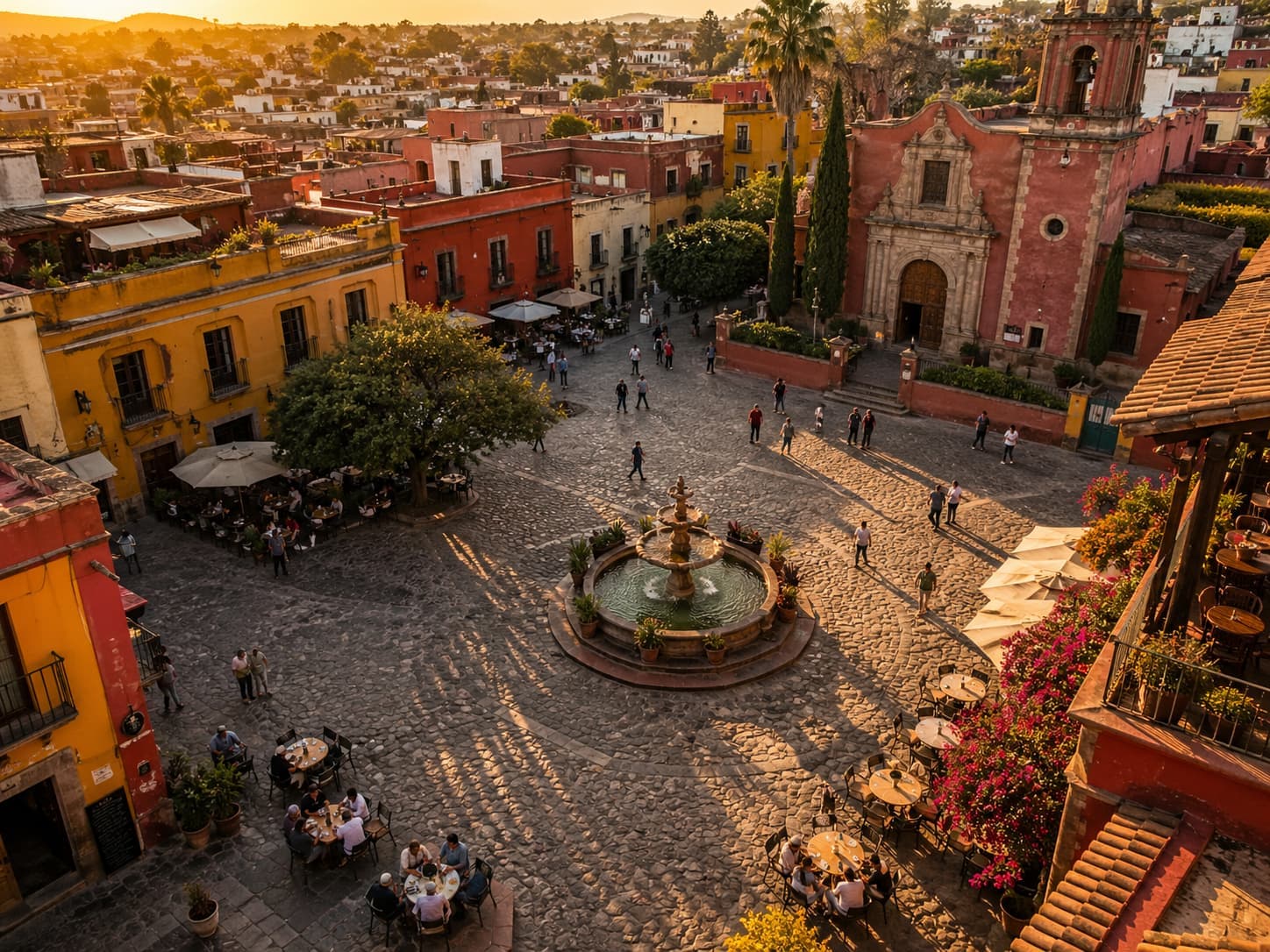
One of the first questions people ask when they dream of moving to Mexico is always about money. What does it really cost? The short answer is: a comfortable, vibrant life is often possible for much less than you're spending back home.
A single person can live quite well on $1,200 to $1,800 USD a month, but that number depends entirely on where you plant your flag and the lifestyle you choose to lead.
Your Quick Answer to Mexican Living Costs in 2026

Let's be honest, the dream of a life where your money just goes further is a huge part of Mexico's appeal for many expats. It's a place where you can swap financial stress for rich culture, incredible food, and stunning scenery without breaking the bank.
This guide is here to cut through the noise. We're going to move past vague ideas and get into the real numbers you can expect for everything from rent and utilities to your weekend getaways.
A First Look at Monthly Expenses
That rumor about Mexico's affordability? It's not just talk. Looking at the data for 2026, a single person can expect a lifestyle that is 30% to 70% less expensive than a comparable one in the United States or Canada, with the savings most pronounced in housing, healthcare, and everyday services.
For instance, living a great life in a major hub like Mexico City might run you between $1,500 to $2,200 a month. But head to a charming colonial city like Mérida or the artistic heart of Oaxaca, and that number can easily drop to just $1,100 to $1,500.
To put some real figures to this, here's a basic breakdown of what a single person might spend in an average month.
Estimated Monthly Cost of Living in Mexico 2026 (Single Person)
This table gives a ballpark estimate for a single expat enjoying a comfortable life in a popular, mid-sized Mexican city. Of course, your mileage may vary depending on your habits, but this is a solid starting point. (Note: MXN figures are approximate and based on an exchange rate of roughly 17.5 MXN per USD. The rate fluctuates, so always check current rates when planning.)
| Expense Category | Average Cost (USD) | Average Cost (MXN) |
|---|---|---|
| Rent (1-Bedroom Apt) | $450 - $900 | $7,875 - $15,750 |
| Groceries | $200 - $350 | $3,500 - $6,125 |
| Utilities (Electric, Gas, Water) | $50 - $90 | $875 - $1,575 |
| Leisure & Dining Out | $250 - $400 | $4,375 - $7,000 |
These numbers paint a clear picture. For most people, a comfortable lifestyle is well within reach without the financial pressures common in other countries.
The Takeaway: A monthly budget of around $1,200 to $1,800 USD gives you a fantastic quality of life in many of Mexico's most beloved expat spots. This covers all your bases and still leaves plenty of room for fun.
Getting a handle on these numbers is the crucial first step. It transforms the dream of moving to Mexico into a tangible, achievable plan.
Building Your Realistic Monthly Budget in Mexico

Alright, let's move past the averages and get down to what your life in Mexico will actually cost month-to-month. To build a budget that won't fall apart after a week, you have to look at the big puzzle pieces (rent, utilities, food, and getting around) and see how they click together with your own lifestyle.
Think of it this way: a slick, modern one-bedroom in Mexico City's trendy Roma Norte neighborhood is a completely different financial universe than a sprawling family home in a quiet suburb of Mérida. Your personal choices are what really drive your total cost of living in Mexico.
Your Home and Utilities
For just about every expat, rent is the biggest line item on the budget. Costs swing wildly based on city and neighborhood. In Mexico City, expect to pay $700 to $1,400 USD for a comfortable one-bedroom in expat favorites like Roma Norte, Condesa, or Polanco, while less central but perfectly livable neighborhoods like Narvarte or Del Valle drop you to $450 to $700. Outside of Mexico City, in popular expat cities like Guadalajara, Mérida, or Querétaro, that same one-bedroom often runs $500 to $900 USD. Smaller towns or neighborhoods further from the action can dip below $400.
Next up are your utilities. These bills are often refreshingly low, but they do require a bit of know-how, especially when it comes to electricity in Mexico.
- Electricity (CFE): Your bill from the Comisión Federal de Electricidad (CFE) comes every two months. A typical household that relies on fans for cooling might pay $25 to $45 USD per billing cycle. Be warned, though: cranking the air conditioning during the steamy summer months can send that bill soaring, sometimes to $150 USD or even higher.
- Internet: Finding high-speed internet is no problem in most places. A solid fiber-optic plan from a provider like Telmex or Totalplay will usually run you between $25 to $40 USD per month.
- Cooking Gas: Most homes use large propane tanks for the stove and water heater. Getting a tank filled might cost $20 to $30 USD and, depending on how much you cook, can last for several months.
Groceries and Daily Goods
This is where your personal choices really get to shine. Mexico offers a fantastic two-track system for shopping: the traditional mercado (local market) and the modern supermarket.
A trip to a big chain like Chedraui or Soriana gives you convenience and a huge variety of international goods, but you'll find prices for certain items are closer to what you paid back home. On the other hand, hitting the local mercado for produce, meat, and cheese isn't just a great cultural experience, it's a massive money-saver. You can often walk away with a week's worth of fresh fruits and vegetables for just $15 to $25 USD.
By mixing trips to the supermarket for your pantry staples with regular visits to the neighborhood mercado for fresh stuff, many expats find they can easily keep their monthly grocery bill for two people between $300 and $450 USD.
You can get an even better idea by plugging your numbers into our cost of living comparison tool. It's a great way to see how your current food spending compares to estimates for different Mexican cities, helping you build a much more accurate financial picture.
Transportation and Daily Life
Getting around in Mexico is both incredibly easy and cheap. While you can certainly own a car, many expats quickly realize it's an expense they don't actually need, thanks to some fantastic alternatives.
- Rideshares: Apps like Didi and Uber are everywhere in most cities. A standard 15-20 minute trip will often cost just $3 to $6 USD, making them perfect for running errands or a night out.
- Public Transit: City buses, known as camiones, and Mexico City's Metro system are ridiculously affordable. A single ride often costs less than $0.50 USD.
Let's look at a typical day. Your morning might kick off with a coffee from a local café ($2). For lunch, you grab a few delicious street tacos ($4). Later on, you use Didi to meet friends for dinner ($5). These small, affordable daily expenses add up slowly, letting you enjoy a rich social life without a painful price tag.
How Your Location Shapes Your Budget in Mexico
Image suggestion: A side-by-side split image. On the left, a modern Mexico City skyline at dusk with the Torre Reforma in the background. On the right, a quiet, palm-lined street in Mérida with pastel colonial homes. Filename suggestion: cost-of-living-mexico-city-vs-merida.jpg. Alt text: "Mexico City skyline contrasted with a quiet Mérida colonial street, illustrating the cost differences between major Mexican cities."
When you start crunching the numbers for your cost of living in Mexico, one rule trumps all others: location is everything. Deciding where to plant your roots isn't just about the lifestyle you want; it's the single biggest financial decision you'll make as an expat here.
The gap between renting an apartment in a fast-paced border city and a sleepy colonial town isn't just noticeable, it can be absolutely massive.
Think of Mexico as a massive and diverse marketplace, where every experience has a different price tag. The electric, cosmopolitan life in Mexico City offers world-class restaurants and non-stop entertainment, but it comes with a premium price on rent. On the other hand, the sun-soaked, laid-back vibe of a coastal village or a smaller inland city gives you tranquility for a fraction of the cost.
And we're not talking about a small difference. Your housing costs alone can swing by 50 to 60%, which creates a ripple effect across your entire monthly budget.
The Big City Premiums
It's a simple rule of economics: major business and tourist hubs will always cost more. Cities like Mexico City, Monterrey, and Tijuana are perfect examples. Their role as cultural and economic powerhouses, combined with Tijuana's proximity to the U.S., means demand for housing and services is always sky-high.
This is where you see the geography of cost really play out. Recent rental market data from early 2026 shows Mexico City rents climbing roughly 9% year-over-year, with cities like Tijuana and Monterrey often costing 50% or more than affordable suburbs like Ecatepec de Morelos.
If you're drawn to the buzz of a major metropolis, you just have to budget for it. For a lot of people, having access to top-tier amenities, international airports, and that fast-paced energy is worth every peso. You can read our guide on what it's like to live in Mexico City for a closer look.
The Key Takeaway: Living in a major hub like Mexico City means you're paying for convenience and access. While still more affordable than most major U.S. or European cities, your budget will need to be significantly larger than in other parts of Mexico.
Affordable Havens and Colonial Gems
On the other side of the coin, you have the beloved expat havens that deliver an incredible quality of life for a much smaller price tag. Cities like Mérida, Guadalajara, Querétaro, and Puebla masterfully blend stunning colonial architecture, deep-rooted culture, and modern comforts with a far more manageable cost of living.
This is where Mexico's reputation for affordability really shines. A modern two-bedroom apartment that might run you $1,500 to $1,800 USD in a popular Mexico City neighborhood could easily be found for around $900 USD in Guadalajara or as low as $700 USD in Mérida.
If you're still weighing your options, our article on the best places to live in Mexico breaks down the pros and cons of the most popular destinations.
Let's put some numbers to this to make the contrast crystal clear. These estimates are for a single person looking for a comfortable lifestyle, not a shoestring budget.
| City | Monthly Rent (1-BR) | Total Estimated Budget | Lifestyle Vibe |
|---|---|---|---|
| Mexico City | $900 - $1,400+ | $1,500 - $2,200+ | Fast-paced, cosmopolitan, endless options |
| Guadalajara | $600 - $1,000 | $1,300 - $1,900 | Cultural hub, tech scene, traditional charm |
| Mérida | $500 - $900 | $1,100 - $1,600 | Safe, historic, relaxed, close to beaches |
These numbers prove that your choice of city is a powerful lever for your finances. By picking an affordable haven, you could potentially slash your monthly spending by 30% or more without giving up comfort or a great quality of life. This is exactly why doing your homework on different regions is so critical before you even think about packing your bags.
Real-World Budgets for Different Expat Lifestyles

General numbers are a decent starting point, but they don't really tell the whole story. The cost of living in Mexico isn't some fixed number, it's a living, breathing thing that shifts based on who you are, what you value, and where you choose to plant your flag.
To give you a real-world feel for what this looks like, let's walk through the lives of three very different expats. We'll check in with a young digital nomad hustling to build a career, a family putting down roots abroad, and a retired couple enjoying their hard-earned golden years. Their budgets show you exactly where the money goes, helping you picture what your own life in Mexico could look like.
The Solo Digital Nomad
First up is Alex, a freelance graphic designer who happily swapped a cramped, overpriced apartment back home for the energy of Guadalajara. For Alex, life is all about freedom and flexibility. The budget here is designed to support a productive work life while leaving plenty of room to explore and connect with people.
Aside from rent, Alex's biggest monthly cost is a pass to a local coworking space. It's a non-negotiable for reliable, fast internet and a professional vibe, plus it comes with a built-in community. The budget is also generous enough for plenty of weekend bus trips to cool spots like Tequila and Guanajuato.
Here's a snapshot of Alex's monthly spending:
- Housing: A cool one-bedroom apartment in a walkable area like Chapalita for $700.
- Groceries: A healthy mix of shopping at local mercados and big supermarkets for $250.
- Utilities & Internet: Covers electricity and a high-speed fiber connection for $60.
- Coworking Space: A monthly membership for a desk and good coffee for $150.
- Transportation: Almost entirely relying on Didi and the occasional bus for $70.
- Leisure & Travel: Eating out, concerts, social events, and frequent weekend getaways for $400.
- Health & Wellness: A gym membership and a little extra set aside for minor medical stuff for $90.
Total Monthly Budget: $1,720 USD
This budget gives Alex a dynamic, comfortable life that would be a pipe dream for the same price in many other countries. It's a perfect illustration of how Mexico's affordability empowers young professionals.
The Expat Family of Four
Now let's look at the Carters, two parents raising their kids ages 8 and 11. They chose Querétaro, known for being one of Mexico's safest cities with top-notch schools and a great family atmosphere. Their spending is all about stability, education, and creating a comfortable home.
Their biggest expense, by a long shot, is private international school tuition. For them, it's a must-have to ensure their kids get a fantastic, bilingual education that sets them up for success. They also chose a bigger, three-bedroom house in a gated community (fraccionamiento) for the extra security and space for the kids to run around.
To really see how the numbers stack up for different lifestyles, let's put these budgets side-by-side.
Monthly Budget Comparison for Different Expat Profiles
The table below gives you a clearer picture of how monthly spending changes depending on your life stage, from a solo remote worker to a family of four and a retired couple. These are estimates for a mid-sized Mexican city and are listed in USD.
| Expense Category | Solo Digital Nomad | Family of Four | Retired Couple |
|---|---|---|---|
| Housing | $700 | $1,200 | $850 |
| Groceries | $250 | $600 | $450 |
| Utilities | $60 | $100 | $50 |
| Transportation | $70 | $250 | $150 |
| Healthcare | $90 | $350 | $500 |
| Education | $150 (Coworking) | $1,100 (Tuition) | N/A |
| Leisure/Hobbies | $400 | $400 | $600 |
| Household Help | N/A | N/A | $200 |
| Total Monthly | $1,720 | $4,000 | $2,800 |
As you can see, priorities make all the difference. For the family, education is the largest single expense, while for the retirees, healthcare takes a bigger slice of the pie. This is why a one-size-fits-all budget for Mexico just doesn't work.
The Comfortable Retiree Couple
Finally, say hello to David and Susan. After years of careful planning, they made their retirement dream a reality in the Lake Chapala area. They were drawn in by the year-round perfect weather and the massive, welcoming expat community in Ajijic. Their entire financial plan is built around comfort, health, and enjoying life without ever touching their nest egg's principal.
Their budget reflects a relaxed pace. They own their car outright and spend their days gardening, taking local art classes, and having long lunches with friends. A good chunk of their monthly spend is dedicated to a solid health insurance plan, which gives them total peace of mind. If you're in a similar spot, our expat's guide to living and retiring in Mexico covers the full picture from visas to finances.
Here's what their retirement budget looks like:
- Housing: A lovely two-bedroom house with a garden for $850.
- Groceries: A mix of local market finds and supermarket staples for $450.
- Utilities: Shockingly low thanks to the mild climate, running about $50.
- Transportation: Gas and basic maintenance for their paid-off car for $150.
- Healthcare: A comprehensive international health insurance plan for two people for $500.
- Leisure & Hobbies: Dining out, social clubs, and local travel for $600.
- Household Help: A cleaner and gardener who comes twice a week for $200.
Total Monthly Budget: $2,800 USD
For this amount, David and Susan enjoy a comfortable, socially vibrant retirement that would have been tough to finance back home. They get a high quality of life, excellent healthcare, and the freedom to truly enjoy their time.
Understanding Healthcare Costs and Expat Insurance
Image suggestion: A clean, modern private hospital reception or consultation room in Mexico, with a doctor in scrubs holding a clipboard and speaking with an older expat patient. Should feel professional and reassuring, not clinical or scary. Filename suggestion: cost-of-living-mexico-private-healthcare.jpg. Alt text: "An expat patient consulting with a doctor at a modern private hospital in Mexico, illustrating the quality of private healthcare available."
Your health is your most valuable asset, and figuring out how to protect it is a massive piece of the puzzle when planning your cost of living in Mexico. The country has a fascinating, multi-layered healthcare landscape, with everything from affordable public systems to genuinely world-class private care. Choosing the right path is a big deal for both your well-being and your bank account.
Think of Mexico's healthcare system as a two-lane highway. In one lane, you have the public options, like IMSS (for residents with formal jobs and voluntary enrollees) and IMSS-Bienestar, which replaced INSABI in 2023 to provide universal coverage for those without other social security access. These can work just fine for basic needs, but they're often known for long waits and crowded clinics. If you want to understand the public side in more detail, check out our article on public healthcare in Mexico.
In the other lane (the fast lane) is the private system. This is where most expats end up, drawn by modern hospitals, English-speaking doctors, and quick access to specialists. The quality of care is often top-notch, but this lane comes with a toll. And paying that toll out-of-pocket is a risky game.
The Private Healthcare Price Tag
Going the private route without insurance means you're on the hook for every single service. While the bills are usually a pleasant surprise compared to what you'd pay in the U.S., they can add up in a hurry, especially when an emergency strikes out of the blue.
Just to give you a ballpark idea, here are some typical out-of-pocket costs:
- General Doctor Visit: A consultation with a general practitioner usually falls between $30 and $50 USD.
- Specialist Consultation: Seeing a specialist, like a cardiologist or dermatologist, will likely cost you $50 to $100 USD.
- Dental Work: A routine cleaning might be around $40 USD, but something more involved like a root canal could be $300 USD or more.
Those individual numbers look pretty manageable, right? But a serious accident or illness could easily lead to hospital bills climbing into the tens of thousands of dollars, which is enough to wreck anyone's financial plans.
It's also worth noting that healthcare costs are climbing fast. According to Aon's Global Medical Trend Rates Report 2026, Mexico is projected to have the highest medical cost inflation globally this year at 14.8%, far outpacing general inflation. This trend makes the idea of "self-insuring" a much riskier bet than it used to be.
Securing Your Peace of Mind with Expat Insurance
This is exactly where a solid expat health insurance plan becomes non-negotiable. It's your financial shock absorber, shielding you from those catastrophic costs while making sure you can walk into the best private hospitals whenever you need to. Think of it less as an expense and more as an investment in your own peace of mind.
Having the right coverage means you can choose the specialist you trust, pick the hospital you prefer, and get treated right away. It takes what could be a life-altering financial crisis and turns it into a manageable, albeit stressful, event. For anyone serious about building a life in Mexico, getting the right policy isn't just a good idea, it's a foundational step.
If you're ready to start looking at what's out there, you can check out our guide to the best expat medical insurance. And if you want to understand the bigger picture of how costs break down between public and private options, our article on public vs. private health insurance in Mexico is a great place to start.
Smart Strategies to Lower Your Cost of Living
Sure, Mexico is known for being affordable, but adopting a few local habits can make a huge difference. We're talking about simple shifts that can add hundreds of dollars back into your budget each month. The real key is to stop thinking like a tourist and start living like a savvy local.
This isn't about pinching every last peso until it screams; it's about living smarter, not cheaper. Think of this as your inside guide to living well for less. By making a few small, deliberate changes to how you shop, get around, and live, you can seriously lower your monthly expenses without giving up the things you love.
Master the Art of Local Shopping
One of the best (and most enjoyable) ways to save money is to change where you buy your food. Supermarkets like Chedraui or Soriana are convenient, no doubt, but their prices for produce, meat, and cheese are almost always higher. The real savings, and fun, happen at the local markets.
- Mercados: These are the permanent, indoor markets that form the heart of any Mexican neighborhood. Here you'll find unbelievably fresh fruit, vegetables, meats, and cheeses for 30 to 50% less than what you'd pay in a big grocery store.
- Tianguis: These are the weekly open-air street markets that pop up on certain days in different neighborhoods. They're a goldmine for seasonal produce and household goods at prices that are hard to beat.
Look, you have to embrace the local shopping culture. Making the mercado and tianguis your go-to for fresh food isn't just a way to save money. It's how you connect with your community and have a much richer cultural experience.
Housing and Transportation Hacks
Your two biggest bills, rent and transportation, are also your two biggest opportunities to save. A lot of expats overspend here just because they don't know the local way of doing things.
When it comes to housing, don't be afraid to negotiate your rent. This is especially true if you're signing a one-year lease and can pay a few months upfront. It's a common practice in Mexico. Also, when you're apartment hunting, look in the neighborhoods just outside the main expat zones. You can often find a place of similar quality for 20 to 40% less, just a short walk or bus ride from all the action.
Transportation is another area just waiting for you to find savings. Owning a car brings a whole set of expenses like insurance, gas, and maintenance. Instead, try leaning on Mexico's fantastic and cheap public transit and rideshare options.
- Ditch Car Ownership: Unless you're living somewhere really remote, relying on Didi, Uber, and local buses (camiones) is almost always going to be cheaper. A typical Didi ride across town might only set you back a few dollars.
- Embrace Public Transit: For your daily commute or just exploring the city, local buses and metro systems are incredibly affordable, often costing less than $1 USD for a ride.
By trying out these simple but powerful strategies, you stop being a tourist paying top dollar and become a local who knows how to find real value. This mindset makes an already low cost of living even more manageable, freeing up your cash for what's actually important to you.
Your Top Questions About Mexico's Living Costs, Answered
Thinking about a move to Mexico always brings up a ton of questions, especially around money. It's the practical stuff that really matters. We get it. To cut through the noise, we've put together answers to the most common questions we hear from expats planning their move.
Can You Really Live Well in Mexico on $2,000 a Month?
Yes, you absolutely can. For a couple, especially retirees, a budget of $2,000 USD a month is a solid benchmark for a comfortable life in many popular cities. This covers rent, all your bills, groceries, healthcare, and still leaves room for fun.
In places like Mérida or Puebla, that $2,000 stretches even further, affording a fantastic quality of life. If you're single, you can live comfortably on quite a bit less, often in the $1,200 to $1,800 range, depending on how much you're paying for rent and your lifestyle choices. Of course, a luxury condo in Mexico City or a high-end beach town will push that number up, but for most people, $2,000 is a very realistic goal.
What's the Biggest Unexpected Expense for New Expats?
Hands down, the most common surprise is the summer electricity bill. Your bimonthly CFE bill might be a pleasant $30 for most of the year, but once the sweltering heat hits, running the air conditioning can easily make it jump to $150 or more. It's a shock that catches many newcomers off guard that first summer.
Another thing that can be a surprise is the upfront cost of renting. Be prepared to pay the first month's rent plus a security deposit, which is almost always equal to another full month of rent.
Is It Really Cheaper to Live in Mexico Than the US?
The short answer is a resounding yes. On the whole, the cost of living in Mexico is 30% to 70% lower than in the United States, depending on the city and category. The savings are most noticeable in the big-ticket items like housing, healthcare, and everyday services.
For instance, a nice apartment can be three or four times cheaper than a similar one in the States. A visit with a medical specialist might set you back $75 instead of $300 or more. And services like hiring a cleaner or a handyman are significantly more affordable. While you might pay the same (or even more) for certain imported goods, your core daily expenses will be dramatically lower.
If you're curious about how far the dollar goes these days compared to a few years ago, our article on whether Mexico is still cheap gives an honest take on the changing landscape.
How Much Money Do You Need for a Comfortable Retirement in Mexico?
For a retired couple, a budget of $2,000 to $2,800 USD per month is a great target for a comfortable, active retirement in many parts of the country. This amount easily covers a nice two-bedroom home, a car, utilities, good health insurance, plenty of dining out, and money for hobbies and travel.
Many retirees discover that this budget allows for a far better lifestyle than they could have ever afforded back home, with plenty of cash left over for exploring Mexico and beyond.
Getting your finances in order is the single most important part of a successful move abroad. To make sure you're protected from unexpected health costs, finding the right insurance is non-negotiable. The team at Expat Insurance works with people just like you every day, comparing plans from over 65 insurers to find the perfect fit for your budget and needs. Get a free quote and personalized advice today.
Justin Barsketis
Insurance Expert & Writer
Justin is an insurance guru that loves digital marketing. As our founder Justin manages our business development programs and MGA network. Please don’t hesitate to contact him if you are not getting the attention you deserve.
