

February 3, 2026
•
5 min read
A Guide to Solo Female Expatriation: Planning, Safety, and Thriving Abroad
Planning to move abroad solo as a woman? Get practical advice on destination research, visas, safety strategies, health insurance, and building community overseas.
Justin Barsketis
Insurance Expert
Thinking about moving to a new country on your own? You're not just considering a change of scenery; you're joining a powerful global movement. Solo female expatriation is all about a woman relocating to a foreign country by herself for the long haul, driven by big career goals, a desire for personal growth, or a complete lifestyle overhaul. It's a bold journey, and a rewarding one, but it requires smart planning, a sharp eye on personal safety, and the willingness to build a new support system from the ground up.
Why More Women Are Moving Abroad Solo

The idea of a woman packing her bags and moving to another country alone is no longer some niche fantasy. It's a reality for countless ambitious and independent women. What might have seemed unconventional a generation ago is now a well-trodden path for those seeking more from their lives and careers. This isn't just a hunch; the data shows a significant cultural shift is underway.
This wave is fueled by a few key factors coming together at the right time. The biggest one? The rise of remote work. It has completely untethered professionals from their physical offices, opening up a world of possibilities. A woman can now manage a project for a company in New York while living in Lisbon, finding that perfect blend of professional responsibility and a richer quality of life.
If you're curious about where to go, check out our guide on the best cities for digital nomads to see how location independence is reshaping modern careers.
Redefining Success and Personal Fulfillment
But it's not just about the logistics of work. There's a much deeper motivation here. Many women are actively choosing to become expats to push their own boundaries, step way out of their comfort zones, and gain a truly global perspective. Moving abroad solo is a fast track to self-reliance, creative problem-solving, and resilience - skills that pay off in every single area of life.
The numbers behind this trend are compelling. According to TrustedHousesitters' platform data, from 2021 to 2022 there was a 193% increase in women booking overnight stays by themselves. For younger women aged 25-45 on that platform, the figure jumped by 235%. While these numbers reflect one platform's user base rather than global totals, they point to a broader pattern: women are increasingly choosing to travel and live abroad independently.
You can dig deeper into these findings on solo female travel statistics if you're interested.
Key Motivations Driving the Movement
So, what's really compelling so many women to start fresh in a new country? The reasons are as unique as the women themselves, but a few common threads keep popping up:
- Career Advancement: They're chasing international work experience, better salaries, or leadership roles that just aren't available back home.
- Personal Growth: It's about building unshakeable confidence and independence by navigating unfamiliar cultures and overcoming new challenges.
- Lifestyle Design: Many are escaping the 9-to-5 grind for a healthier work-life balance, a lower cost of living, or simply to immerse themselves in different cultural experiences.
This guide is designed to take you beyond the "why" and get straight to the "how." Think of it as your practical, step-by-step roadmap for every stage of your solo expat journey, from the first spark of an idea to truly thriving in your new home.
Your Pre-Move Blueprint For Moving Abroad
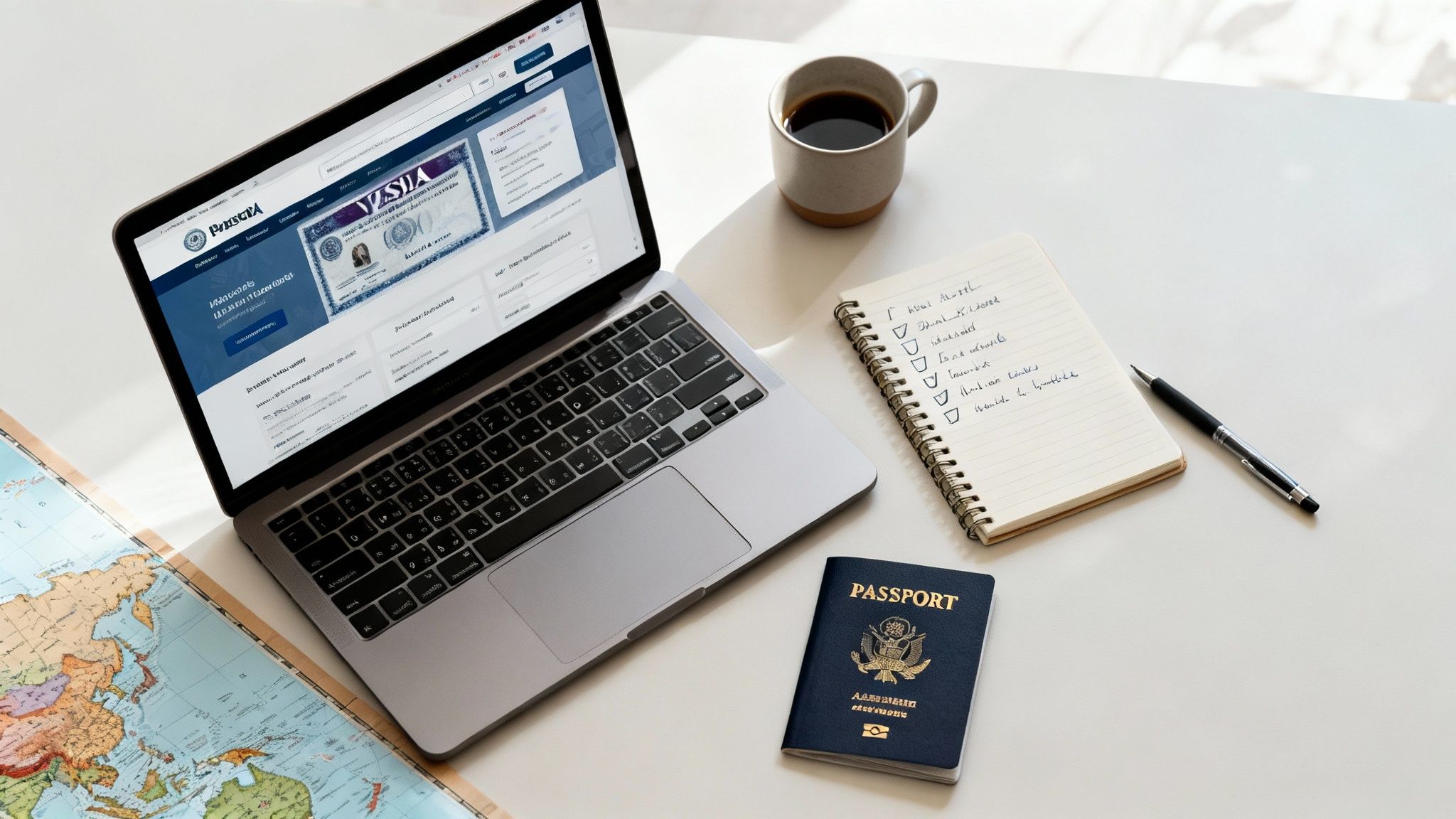
A successful move abroad is built on a foundation of solid research and meticulous planning. Before you even think about booking a flight, dedicating time to this crucial prep work will save you from a world of stress and financial headaches down the road. This is where your dream of solo female expatriation transforms into a real, actionable plan.
The first step? Choosing a destination that genuinely aligns with your personal and professional goals. It's easy to get swept up in the romance of a place, but practical considerations like safety, affordability, and community are what truly make a new country feel like home.
Europe remains a popular starting point for many solo female expats, with countries like Portugal, the UAE, Vietnam, and the UK reflecting a growing trend of women seeking a blend of career opportunities, cultural richness, and accessibility.
Choosing Your Ideal Destination
Your perfect destination is a balance between your heart and your head. While you might dream of Parisian cafes or Tokyo's vibrant streets, you have to weigh that against the reality of daily life.
Start by creating a personalized checklist. What are your non-negotiables?
- Safety: Research female safety indexes, local attitudes towards women, and the reliability of public transport. How safe is it to walk home alone at night? Our guide to the safest countries for expats is a good place to start your research.
- Cost of Living: Use tools like Numbeo to compare rent, grocery, and utility costs against your expected income. Don't just look at the country average; drill down to your target city.
- Community: Look for active expat groups on social media (Facebook is great for this) and get a feel for how easy it is to make local connections.
- Career or Remote Work Viability: Does the country offer opportunities in your field? If you're a remote worker, check for reliable internet speeds and the availability of co-working spaces.
As you get deeper into your planning, it's incredibly valuable to learn from those who have gone before you. We'd recommend exploring expat blogs and forums for your target destination to gather practical tips and get a real feel for the expat friendship circles and communities that already exist there.
Destination Snapshot For Solo Female Expats
To give you a starting point, here's a quick look at a few popular destinations and how they stack up on key factors for solo female expats.
| Country | Average Monthly Cost (USD) | Numbeo Crime Index (Lower is Safer) | Common Visa Type | Expat Community Vibe |
|---|---|---|---|---|
| Portugal | $1,500 - $2,500 | 38.07 | Digital Nomad (D7/D8) | Relaxed, creative, strong in Lisbon and Porto. |
| UAE | $2,500 - $4,000 | 23.36 | Work Visa, Freelance | Professional, diverse, fast-paced in Dubai and Abu Dhabi. |
| Vietnam | $800 - $1,500 | 44.57 | Business Visa, TRC | Young, entrepreneurial, very social in major cities. |
| UK | $2,800 - $4,500 | 43.76 | Skilled Worker Visa | Established, diverse, endless social and professional hubs. |
This table is just a snapshot, of course. Your own research will be key to finding the perfect fit for your lifestyle and budget.
Demystifying Visas and Legal Requirements
Let's be honest: the visa process is often the most daunting part of moving abroad. Every country has its own set of complex, slow-moving rules. Procrastination is not your friend here.
Your visa type will depend entirely on your reason for moving. The most common options include:
- Work Visas: These are typically sponsored by an employer in your destination country. The process usually kicks off once you have a signed job offer.
- Digital Nomad Visas: A growing number of countries now offer these long-stay visas for remote workers who can prove a steady foreign income. Portugal's D7 and Germany's D-Visa are popular examples.
- Student Visas: If you're enrolling in a language school or university, this is your route. Just be aware that they often come with limitations on working hours.
Key Takeaway: Always apply for your visa from your home country unless you are explicitly told otherwise. Trying to switch from a tourist visa to a long-term residency visa while you're already there is often impossible and can lead to serious legal trouble.
Start gathering your documents early. You'll almost always need your passport, birth certificate, proof of funds, and possibly a criminal background check. Many of these documents require an official translation or an apostille, so factor that extra time and cost into your timeline. For a detailed breakdown of everything you'll need, our comprehensive moving abroad checklist is an essential resource.
Building Your Financial Runway
Moving abroad is a significant investment. Having a solid financial cushion is absolutely non-negotiable for a smooth transition and your own peace of mind. Your goal is to have enough saved to cover all your initial setup costs and support yourself for several months without any income.
Here's a practical way to think about your budget:
- Calculate Setup Costs: Tally up all the one-time expenses. This includes flights, visa application fees, shipping costs, and initial rent deposits (which can easily be two to three months' rent upfront).
- Establish an Emergency Fund: Aim to have at least three to six months of your estimated living expenses saved and sitting in an accessible account. This is your safety net for the unexpected, like a delay in starting your job or a sudden medical issue.
- Understand International Banking: Figure out how to open a bank account in your new country before you arrive, if possible. Services like Wise or Revolut can be lifesavers for transferring money internationally without the sky-high fees traditional banks charge.
By breaking down the planning process into these manageable chunks - destination research, visa navigation, and financial prep - you build a strong foundation for a successful and confident solo move abroad.
Prioritizing Your Health and Safety Abroad
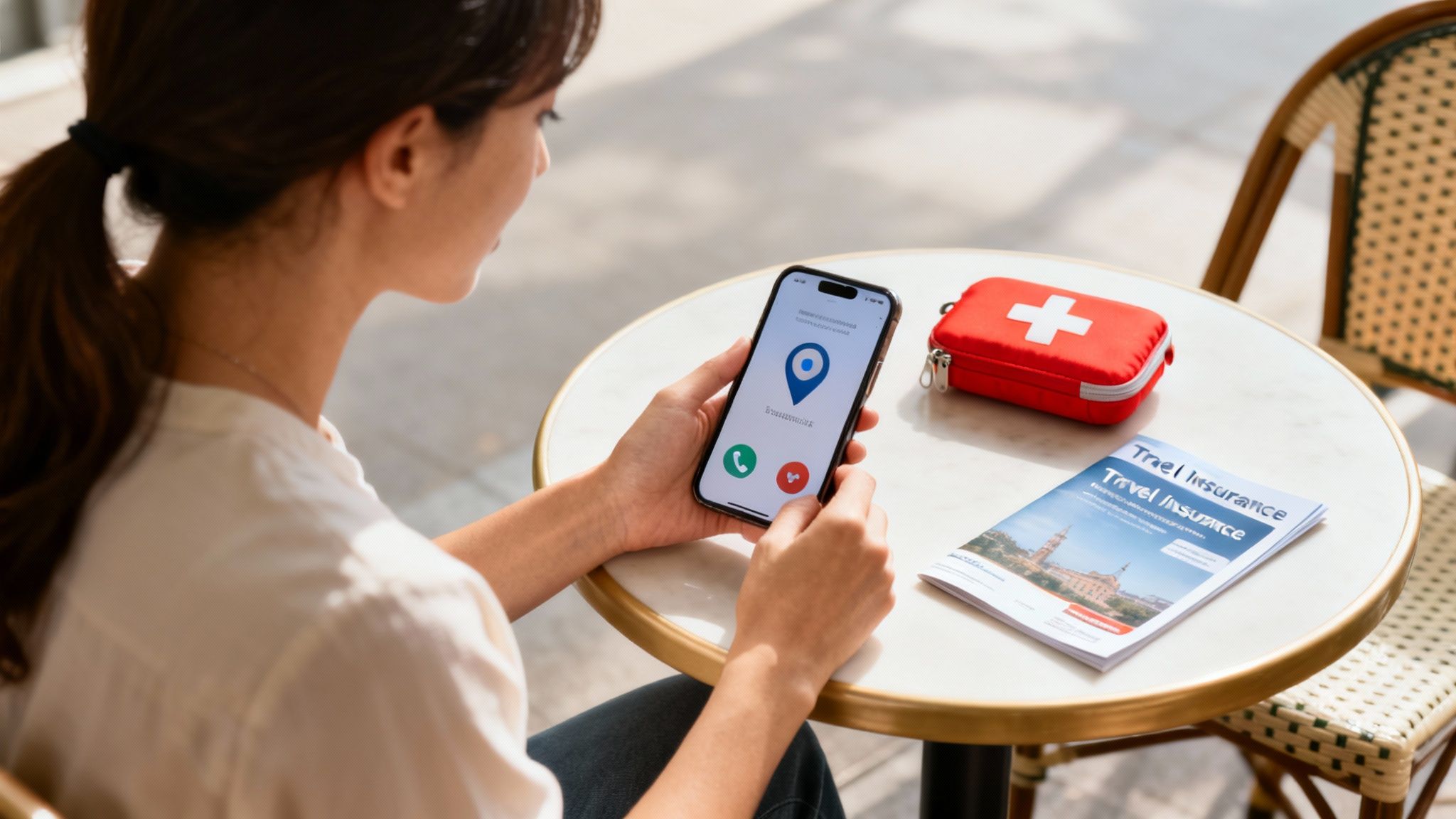
Let's talk about the two things that are probably circling in your mind as you plan this solo move: health and safety. It's completely normal to have these concerns, but here's the good news - they are entirely manageable.
Moving abroad isn't about finding a place with zero risks. It's about knowing what the risks are and having smart, practical strategies ready to go. You want to build a foundation of security that lets you explore with confidence, not fear. This means being proactive, from researching a neighborhood before you sign the lease to knowing exactly who to call if you get sick.
Practical Safety Strategies For Everyday Life
Being safe as a solo female expat has less to do with avoiding certain countries and more to do with understanding the local vibe wherever you land. What feels totally normal in Bangkok might be out of place in Amman. Real safety comes from awareness, a bit of prep, and listening to that little voice in your head.
Before you even pack your bags, become a digital detective. Dive into expat forums and city-specific Facebook groups. Don't be shy - ask direct questions. "Which neighborhoods are best for a woman living alone?" "What's the public transport really like after 10 p.m.?" The advice you'll get from women already living there is incredibly valuable.
Once you've arrived, your phone is your best friend.
- Location Sharing: Set up permanent location sharing with a close friend or family member back home through an app like Find My Friends or Life360. It brings peace of mind to everyone.
- Emergency Contacts: Don't just assume you'll remember them. Save local emergency numbers (police, ambulance, etc.) right into your phone's favorites.
- Offline Maps: Download the map of your city. If you ever lose your data connection or get turned around, you'll always be able to find your way home.
Your intuition is your most reliable guide. If a situation or person feels off, it probably is. Don't hesitate to remove yourself from any scenario that makes you uncomfortable, even if it feels awkward or impolite.
Understanding Local Norms and Culture
One of the best safety tactics? Blending in. This doesn't mean changing who you are. It just means showing respect for the local culture, which helps you navigate your new home a lot more smoothly.
For example, what you wear can really shape your experience. In more conservative countries, covering your shoulders and knees isn't just a sign of respect - it actively helps you avoid unwanted attention. Take a look at how local women your age dress for different situations and take your cues from them. It's a small adjustment that can make a huge difference.
Likewise, get a feel for cultural norms around things like eye contact or interacting with men. In some places, direct eye contact can be misinterpreted as romantic interest. A little bit of research into local etiquette can save you from some seriously awkward (and potentially unsafe) misunderstandings.
Why International Health Insurance Is Non-Negotiable
While day-to-day safety feels immediate, your health is the true foundation of your entire expat life. A sudden illness or accident can turn your adventure into a financial and logistical nightmare if you aren't prepared. This is where a lot of people make a critical mistake: thinking travel insurance is enough. It's not.
Travel insurance is for short trips. It covers emergencies like a broken leg from a ski trip or a lost suitcase. It was never designed for someone actually living abroad. If you're unsure about the differences, we break it down in our article on travel insurance vs. comprehensive health insurance.
International health insurance, on the other hand, is your proper, long-term medical coverage. Think of it as your health plan from back home, but with a global network. It generally covers things like:
- Routine doctor visits and check-ups
- Seeing a specialist
- Prescription drugs
- Hospital stays and planned surgeries
- Emergency medical evacuation
Knowing you can just go see a doctor for a sinus infection or get your annual wellness check is invaluable. It lets you take care of your health proactively, instead of just waiting for an emergency to strike. To get a clearer picture of what these plans offer, you can learn more about the specifics of health insurance for expats and figure out the right policy for you.
Securing a solid international health plan before you move is one of the single most important investments you'll make in your well-being. It's the safety net that lets you fully embrace the adventure, knowing you're covered no matter what.
Building Your New Life From Day One

The moving boxes are unpacked, the jet lag is finally wearing off, and you're standing in your new place. So... now what? Arriving is a massive milestone, but the real work of building a life from scratch starts now. This next phase is a delicate dance between practical tasks and emotional adjustment, and tackling both head-on will make your transition infinitely smoother.
Think of your first few weeks as setting up your personal headquarters. It's all about sorting out the absolute essentials that let you function day-to-day, from having a permanent roof over your head to being able to buy groceries without racking up ridiculous bank fees. It might feel like an endless checklist of admin, but every item you cross off is a concrete step toward feeling settled and in control.
Your First-Month Logistics Checklist
Getting these core logistics handled early stops small headaches from snowballing into major crises. Focus on these priorities in your first few weeks. It can feel like a bureaucratic marathon, but the peace of mind you'll get is worth every second.
- Secure Long-Term Housing: If you started in a short-term rental, it's time to hit the pavement. Visit neighborhoods at different times of the day and night to get a real feel for them. And a non-negotiable rule: never, ever sign a lease for a place you haven't seen in person.
- Open a Local Bank Account: This is absolutely critical for getting paid (if you're working locally), paying bills without fees, and eventually building a local credit history. Make sure you bring your passport, residence permit or visa, and some form of proof of address.
- Get a Local SIM Card: A local phone number is often a requirement for everything from banking to setting up utilities. Plus, it'll save you a fortune on international roaming charges.
- Register with Local Authorities: Depending on your visa and the country, you might need to register your address with the local town hall or immigration office within a strict timeframe. Don't put this off - the penalties can be a real pain.
Conquering local bureaucracy is a rite of passage for every expat. Expect delays, bring extra copies of every single document you own, and walk into each appointment with a deep well of patience. A friendly smile can work wonders.
Getting through these steps is a massive confidence booster. It's proof that you can handle the unique challenges of solo female expatriation and prepares you for the next, equally crucial phase: building your social world.
Finding Your People and Building a Community
Let's be real: loneliness is a legitimate concern for any solo expat, and it's worth taking seriously for your mental health as an expat. The initial buzz of adventure can fade, leaving you feeling adrift in a sea of unfamiliar faces. The key is to be intentional about creating connections right from the get-go. Your support system won't just magically appear.
Start online before you've even moved into your permanent place. Hop on Facebook and search for groups like "Women Expats in [Your City]" or "Foreigners in [Your City]." These communities are great resources for practical advice and social events. You'll find people posting about everything from finding a good hairdresser to organizing weekend hikes.
But don't just stay online. The fastest way to forge real friendships is by immersing yourself in local activities that genuinely interest you. It's how you meet people who share your passions, which leads to much more authentic connections.
- Language Classes: Even if you already speak the language, joining an intermediate or advanced class is a brilliant way to meet other expats and curious locals.
- Hobby or Sports Clubs: Join a local running club, a book group, a pottery class, or a casual sports team. Shared activities are a natural, low-pressure way to strike up conversations.
- Volunteering: Giving your time to a local cause connects you to the community on a much deeper level and introduces you to people who are just as passionate about the same things you are.
Remember, building a social circle takes time and consistent effort. Some weeks you'll feel like a social butterfly; others, you'll just want to curl up at home. That's completely normal. The goal is steady, gentle effort. Say "yes" to invitations, even if you're a bit tired. Go to that coffee meetup. Check out that gallery opening. Each small interaction is a seed you plant for a future friendship, slowly turning this unfamiliar city into a place you can truly call home.
How to Advance Your Career as an Expat
Making a move abroad is a massive boost for your career, but it demands a whole new playbook. Whether you're jumping into a local job or bringing your remote gig with you, success is all about tuning into the professional frequency of your new home. It's not just about producing great work; it's about learning the unspoken rules.
Don't forget, your international experience is a serious asset on a resume. It demonstrates resilience, adaptability, and the kind of cross-cultural savvy that companies are desperate for. The trick is knowing how to play those strengths, whether you're in a traditional office or working from a laptop thousands of miles from headquarters.
Navigating a Local Workplace Culture
Walking into a new office in a foreign country is a lesson in observation. The little things we take for granted - workplace etiquette - can be wildly different. What comes across as direct and efficient in Germany might feel jarringly blunt in Japan.
Your first move? Listen more than you talk. Seriously. Watch how colleagues interact in meetings, notice their email styles, and get a feel for the social vibe of the office. Nailing these nuances is the secret to building real, solid professional relationships.
On a more practical note, get up to speed on your employment rights. You need to know the standard working hours, holiday entitlements, and termination rules in your new country. This isn't just bureaucratic red tape; it's the knowledge that empowers you to stand up for yourself and make sure you're being treated fairly under local labor laws.
Advocating For Yourself in a New Setting
Being the "new foreigner" in the office can feel a bit isolating at times, which makes being your own best cheerleader more critical than ever. You can't just assume your hard work will get noticed on its own.
- Document Your Wins: Keep a running log of your accomplishments and contributions. It makes those performance review conversations a whole lot easier.
- Seek Clarity: If you're even slightly unsure about what's expected on a project, just ask. It shows you're dialed in and committed to doing it right.
- Build Alliances: Make a real effort to connect with your colleagues. Having a few allies in your corner provides a support system and helps you weave yourself into the fabric of the company culture.
Remember, your unique perspective is a superpower. Frame your international background as a wellspring of fresh ideas and creative problem-solving. This shifts your position from just another employee to a key contributor driving the company forward.
Thriving as a Remote Worker or Digital Nomad
For so many women moving abroad solo, remote work is the vehicle that makes it all possible. But that freedom comes with its own brand of hurdles, especially when you're juggling time zones and fighting to stay connected with your team.
A major time difference requires serious discipline. You have to carve out a work schedule that gives you enough overlap with your team's core hours while fiercely protecting your personal time. Simple tools like a world clock app can be a lifesaver, preventing missed deadlines and late-night meeting mix-ups.
Productivity can also take a hit without the built-in structure of an office. To keep yourself on track, create a dedicated workspace. Even better, consider joining a local co-working space a couple of days a week. It not only provides that needed structure but is an incredible way to meet other professionals and keep the loneliness at bay.
At the end of the day, whether you're climbing a local corporate ladder or building a global remote career, professional success abroad boils down to proactive adaptation. By tuning into cultural norms, championing your own value, and creating a work-life balance that actually works, you can ensure your move abroad is a massive step up for your career.
Your Top Questions About Moving Abroad Solo
Taking the leap to move abroad by yourself is incredibly exciting, but it's totally normal for your head to be buzzing with questions. Getting solid, real-world answers is the best way to quiet those nerves and build the confidence you need for the adventure ahead. Let's tackle some of the most common things women wonder about when planning a solo move.
How Much Money Should I Actually Save Before I Go?
This is the big one, and the real answer is: it depends heavily on where you're going. A great rule of thumb is to have at least three to six months' worth of living expenses tucked away for your new city. This isn't just for rent - think of it as your "settling-in" fund.
This safety net needs to be big enough to handle all those initial, often surprising, costs. You'll be hit with quite a few in that first month:
- Rental Deposits: In many cities, you'll need to pay one to three months' rent upfront.
- Visas and Paperwork: These can add up fast, especially if you need official document translations or lawyer fees.
- Flights and Shipping: Just getting you and your must-have belongings to your new home can be a huge expense.
- The "Oops" Fund: A buffer for all the things you didn't think of, from buying a new kettle to your first big grocery haul.
Six months of savings for Lisbon is going to look wildly different from six months for London. Use a cost-of-living calculator online to get a realistic monthly number, then multiply from there. And don't forget: your budget absolutely must include a comprehensive international health insurance policy from day one.
Is Travel Insurance Good Enough to Live Abroad?
Nope. Not even close. This is probably one of the most important things to get right from the start.
Travel insurance is for vacations, not for living somewhere. It's built for short-term trips to cover things like a lost suitcase, a canceled flight, or a medical emergency while you're on holiday. It was never designed to handle the day-to-day healthcare needs of someone who is actually a resident.
International health insurance is what you need as an expat. It's built for the long haul and covers everything from regular doctor's appointments and specialist visits to mental health support, wellness checks, and, of course, emergencies. It's a non-negotiable investment in your health and peace of mind.
Going without it means you could be on the hook for massive bills for even minor health issues. A proper expat health plan connects you to a reliable network of doctors and hospitals, so you can get quality care without the financial panic.
How Do I Deal With Feeling Lonely After I Move?
The best defense against loneliness is a good offense. You have to be proactive about building your community from day one - don't just wait for friends to find you. The great news is, you're not alone in this; tons of other expats are in the exact same position and just as eager to connect.
Start building that network before your plane even takes off. Jump into Facebook groups or online forums for expats in your new city. Once you're on the ground, make it a mission to get out and meet people.
- Sign up for a language class or find a local group for a hobby you love.
- Join a running club, a book group, or a weekend hiking team.
- Give apps like Meetup or Bumble BFF a try to find local events and potential friends.
- Become a regular at a neighborhood cafe or find a local co-working space.
It takes effort, but consistently putting yourself out there is the quickest path to forming real, meaningful friendships. That support system is what will eventually make a foreign city feel like home.
What's the Best Way to Figure Out if a Neighborhood is Safe?
Feeling safe where you lay your head at night is non-negotiable. The best strategy is a mix of online digging and old-fashioned, on-the-ground investigation.
Start online by tapping into the collective wisdom of local expat forums and Reddit communities. Don't be shy - ask directly for opinions on different neighborhoods, specifically from the perspective of a woman living alone. People are usually happy to share their honest experiences.
Next, look for official local crime maps online to get some hard data. Before you even dream of signing a lease, use Google Street View to take a "virtual walk" around the block. It gives you a surprisingly good feel for the general vibe of an area.
But the most critical step? See it with your own eyes. If you can, book an Airbnb or other short-term rental for your first few weeks. This gives you the freedom to explore potential neighborhoods in person - visit them during the day, and then again at night. See how you feel walking around. Listen for noise levels. Trust your gut.
At Expat Insurance, we believe that feeling secure is the foundation of a successful life abroad. Our expert advisors, many of whom are expats themselves, can help you find the perfect international health insurance plan, giving you peace of mind from day one. Get a free quote or book a consultation and let us handle the details so you can focus on your adventure.
Justin Barsketis
Insurance Expert & Writer
Justin is an insurance guru that loves digital marketing. As our founder Justin manages our business development programs and MGA network. Please don’t hesitate to contact him if you are not getting the attention you deserve.
